

Biblio Alternatives for Rare Books: 2026 Guide
Table of Contents
- Why Collectors Search for Biblio Alternatives
- Best Websites for Rare Books: Key Platforms
- How to Value Rare Books: Authentication and Condition Standards
- Seller Fee Structures and Cost-Benefit Analysis
- Rare Book Collecting Tips for Beginners
- Mobile vs. Desktop: Which Platform Works Best for You
- Conclusion: Finding Your Ideal Rare Book Platform
- Frequently Asked Questions
Last Updated: September 3, 2026
Why Collectors Search for Biblio Alternatives
Rare book collectors often need multiple platforms to source antiquarian and out-of-print titles effectively. Some marketplaces excel at inventory breadth, others at search precision, and still others at connecting independent booksellers with serious buyers. Authentication standards, fee structures, and discovery tools vary dramatically across options, meaning your choice depends on what you're actually trying to find and how you prefer to buy.
The Almost New Book Shop understands this challenge intimately. Our community of collectors has taught us that the best approach involves knowing which platforms serve which purposes. This guide explores the landscape of biblio alternatives for rare books, helping you identify which platforms match your collecting goals, budget, and preferred workflow.
Best Websites for Rare Books: Key Platforms
The rare book marketplace has evolved considerably. Experienced collectors typically maintain accounts across multiple platforms, each serving a distinct purpose in their search strategy.
Marketplace Aggregators vs. Independent Dealer Networks
Aggregation platforms combine inventory listings from thousands of independent dealers, allowing you to query across the entire network simultaneously. This is invaluable when hunting for scarce titles, though higher commissions can inflate prices slightly, and the volume of results sometimes requires refined filtering to separate genuine rarities from common reprints.
Independent dealer networks host direct relationships with curated booksellers who maintain their own storefronts. This model creates stronger quality control and often results in more detailed condition descriptions and provenance information.
The Almost New Book Shop operates within this independent model, focusing on sustainable sourcing and community-driven curation. When evaluating platforms, consider whether you prefer the breadth of aggregation or the depth of specialised networks.
Search Filters and Discovery Tools for Collectors
The difference between a frustrating search and a successful one often comes down to technical search capabilities. Serious collectors need filters beyond basic title and author searches, including edition specificity, binding condition, publication year ranges, price controls, seller ratings, and inventory freshness indicators.
Some platforms excel at these technical filters, allowing you to narrow thousands of results to precisely what you're seeking. Discovery tools that notify you when specific titles appear, allow saved searches, or highlight newly listed inventory in your collecting interests will save you hours of manual searching.
How to Value Rare Books: Authentication and Condition Standards
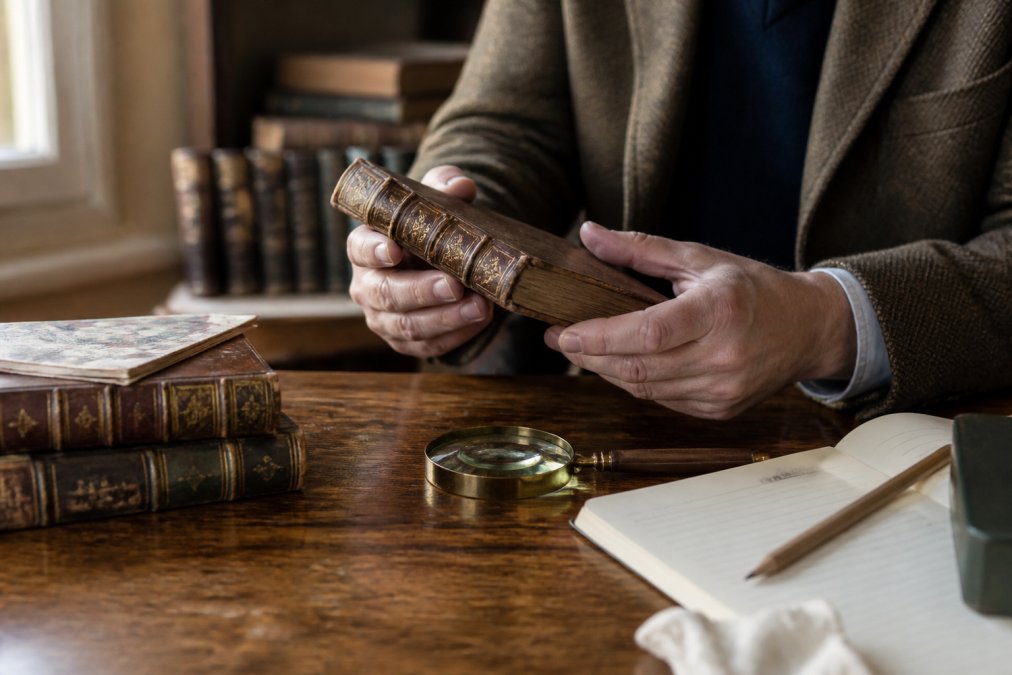
Understanding book condition and authenticity is non-negotiable for collectors. The difference between a first edition worth £500 and a later printing worth £15 depends entirely on your ability to verify what you're actually purchasing. Condition grading and authentication standards vary dramatically across platforms, creating significant risk for buyers who don't understand these differences.
Condition Grading: The Standard Scale and Its Limitations
Condition grading follows a standardised approach based on antiquarian bookseller association guidelines: (abaa.org)
- Fine (F): Essentially perfect, rarely seen in practice. No signs of wear, binding tight, dust jacket pristine.
- Very Fine (VF): Minimal signs of use. Binding tight, pages clean, dust jacket present with only minor wear.
- Very Good (VG): Light wear consistent with careful reading. Binding sound, pages clean or with minor foxing, dust jacket present but visibly worn.
- Good (G): Moderate wear. Covers show creasing and scuffing, pages may have foxing, binding may be slightly loose, dust jacket may be worn or partially missing.
- Fair (F): Heavy wear. Binding loose or partially detached, pages yellowed or stained, dust jacket missing or severely damaged.
- Poor (P): Severe damage. Binding failing, pages loose or missing, extensive staining or water damage.
However, grading is subjective, and platforms enforce standards inconsistently. A "Very Good" book on one platform might be described as "Good" on another. Seller optimism about condition is common.
The Authentication and Condition Reporting Gap
Most platforms rely entirely on seller descriptions and photographs without independent verification. Reputable platforms mitigate this through detailed photography requirements, specific condition descriptions, seller verification and ratings, return policies, and specialisation badges identifying dealers with authentication expertise.
Yet even with these safeguards, independent verification is limited. For purchases worth £300 or or more, consider requesting additional photographs, asking about provenance, checking for authentication services, or consulting specialist dealers before committing.
Provenance and Its Impact on Value
Provenance, the documented history of ownership, significantly impacts value. A signed first edition with clear chain of ownership commands premium prices. When evaluating provenance, examine signatures and inscriptions (author signatures add substantial value; unknown inscriptions typically reduce it), bookplates and ownership marks, and accompanying documentation like letters or certificates of authenticity.
Platforms vary in how thoroughly they document provenance. Those with rigorous documentation requirements are safer choices when provenance matters to your purchase decision.
Condition Assessment in Practice
The Almost New Book Shop applies rigorous condition assessment to every title, ensuring descriptions match reality. This means detailed photography from multiple angles, honest grading that errs toward lower grades if ambiguous, specific issue documentation, and provenance transparency.
Red Flags in Condition Reporting
Watch for vague descriptions ("some wear" without specifics), single or low-quality photos, inconsistent grading, missing dust jacket information, and no return policies. For significant purchases, requesting additional information before committing is entirely reasonable. Reputable sellers welcome these requests.
Seller Fee Structures and Cost-Benefit Analysis
The same title might cost £45 on one platform and £120 on another. Understanding fee structures helps you assess whether prices reflect genuine rarity or inflated margins. Aggregation platforms typically charge higher commissions (15-20% or more), incentivising sellers to price higher (abaa.org). Independent dealer networks often feature lower commissions, potentially resulting in more competitive pricing.
Shipping costs represent another variable. For collectors outside the immediate region, international shipping can exceed the book's value. Evaluating total cost-of-ownership, not just asking price, is essential.
Consider also the cost of your time. A platform with poor search tools might force you to spend hours finding what you need, making even lower prices uneconomical. Conversely, a platform with excellent discovery tools might justify slightly higher prices through efficiency gains.
The Almost New Book Shop emphasises transparent pricing without hidden fees, allowing us to offer competitive prices without compromising on condition standards or customer service.
Rare Book Collecting Tips for Beginners
Starting a rare book collection requires patience and strategy. Begin by defining your collecting focus, specific genres, eras, signed editions, or authors. Clarity about your direction helps you evaluate platforms more effectively.
Start small and build knowledge through acquisition. Your first purchases should be modestly priced books that teach you about condition, editions, and market values. Develop relationships with reliable sellers rather than treating each purchase as a one-off transaction. Keep detailed records of your collection, documenting acquisition dates, prices, condition, and provenance. Join collecting communities and forums where experienced collectors share knowledge about authentication, valuation, and sourcing strategies.
Mobile vs. Desktop: Which Platform Works Best for You
Desktop platforms typically offer the full feature set, advanced search filters, detailed condition photography, and comprehensive seller information. Mobile platforms excel at convenience and notifications, allowing you to check new listings, receive alerts, and quickly reference information whilst away from your desk.
The best approach often involves using both. Conduct detailed searches on desktop, then use mobile for browsing and alerts. Platforms that synchronise seamlessly between devices provide the most flexible experience. For high-value purchases, reviewing on desktop before completing the transaction adds a useful verification step.
The Almost New Book Shop supports both web and mobile access, ensuring you can browse our curated collection however suits your workflow best.
Conclusion: Finding Your Ideal Rare Book Platform
Selecting the right biblio alternative for rare books depends on matching platform strengths to your specific collecting goals. Aggregators excel at breadth and discovery. Independent dealer networks offer depth and specialisation. Direct storefronts provide transparency and often competitive pricing.
The most sophisticated collectors maintain accounts across multiple platforms, each serving distinct purposes. Start by clarifying what you're actually searching for, test a few platforms with modest purchases, and pay attention to search functionality, condition reporting accuracy, and seller reliability.
At The Almost New Book Shop, we've built our community on the principle that great books deserve careful stewardship. Our curated selection of pre-loved titles, from rare first editions to military history collections, combines sustainable sourcing with transparent pricing and honest condition assessment. Whether you're building your first collection or expanding an established library, we're here to help you find books that matter. Explore our collection today and join readers who believe second chapters deserve to be as rewarding as first ones.
Ready to discover your next rare find? Browse The Almost New Book Shop's carefully curated selection of pre-loved books, from antiquarian first editions to hard-to-find military history titles. Our transparent condition grading, sustainable sourcing practices, and community-focused approach make building your collection both affordable and meaningful. Visit The Almost New Book Shop to explore rare books and out-of-print titles and subscribe to our email list for notifications about new arrivals in your collecting interests.
Frequently Asked Questions
How do I know if a book sold on a Biblio alternative is actually rare or valuable?
Rare books are identified by specific markers: first editions with dust jackets, limited print runs, author signatures, unusual bindings, or historical significance. Most reputable platforms list edition details, publication date, and condition grading. Check whether the seller provides provenance information and uses standard condition descriptors (fine, very good, good, fair, poor). Cross-reference the ISBN or title on multiple platforms to compare pricing, significant price variation can indicate rarity. Beginners should start with books published before 1950 or those marked as out-of-print, which often signal collectible value.
What condition grading standards should I expect from rare book sellers?
Most platforms use the Antiquarian Booksellers' Association (ABA) condition scale: Fine (like new), Very Good (minor wear), Good (obvious signs of use), Fair (significant wear but readable), and Poor (damaged but intact). Reputable sellers photograph dust jackets, binding condition, and page quality to support their grading. Always read the full condition description rather than relying on the grade alone, a 'good' first edition might have foxing (age spots) or loose binding. Request additional photos if the listing is unclear, and check the seller's return policy in case the condition doesn't match the description.
Are books from online rare book marketplaces authentic, or should I worry about forgeries?
Authentication risk varies by platform. Established marketplaces with dealer verification systems (those requiring credentials and customer reviews) have lower forgery rates. Independent booksellers with long trading histories and strong ratings are generally trustworthy. Red flags include suspiciously low prices, vague condition descriptions, missing publication details, or sellers with no feedback history. For high-value acquisitions (£500+), consider buying from dealers who offer authentication guarantees or certificates of authenticity. Always check whether the platform provides buyer protection or dispute resolution if you receive a counterfeit or misrepresented item.
What should I look for when choosing between independent booksellers and large marketplace platforms?
Independent dealer networks often offer curated, specialized collections (military history, first editions, regional authors) and may provide expert knowledge. Large marketplaces offer broader inventory and stronger buyer protection but less personal curation. Independent sellers typically have lower overhead, which can mean better pricing on niche items. However, large platforms aggregate listings from many dealers, making discovery easier. For rare finds, independent specialists are often better; for volume and convenience, aggregators win. Check each platform's fee structure, independent networks may charge lower commission rates if you're selling, while marketplaces charge more but provide wider exposure.
This article was written using GrandRanker