

Best Independent Second Hand Bookshops: 2026 Guide
Table of Contents
- Why Independent Second Hand Bookshops Beat the Supermarket Bargain Bin
- Second-Hand Books Online: How to Vet a Seller Before You Buy
- How to Buy Second-Hand Books Without Wasting Money
- Used Books by Genre: Where the Real Finds Are Hiding
- Sustainable Book Shopping: What to Ask Before You Trust a Green Claim
- Common Mistakes When Buying From Independent Bookshops
- Conclusion
- Frequently Asked Questions
Last Updated: October 7, 2026
Why Independent Second Hand Bookshops Beat the Supermarket Bargain Bin
The best independent second hand bookshops offer something a supermarket bargain bin never can: a curated, honestly graded selection where every title has been checked before it reaches you. Supermarket bins are cheap for a reason, and it usually shows on the page. 🛒
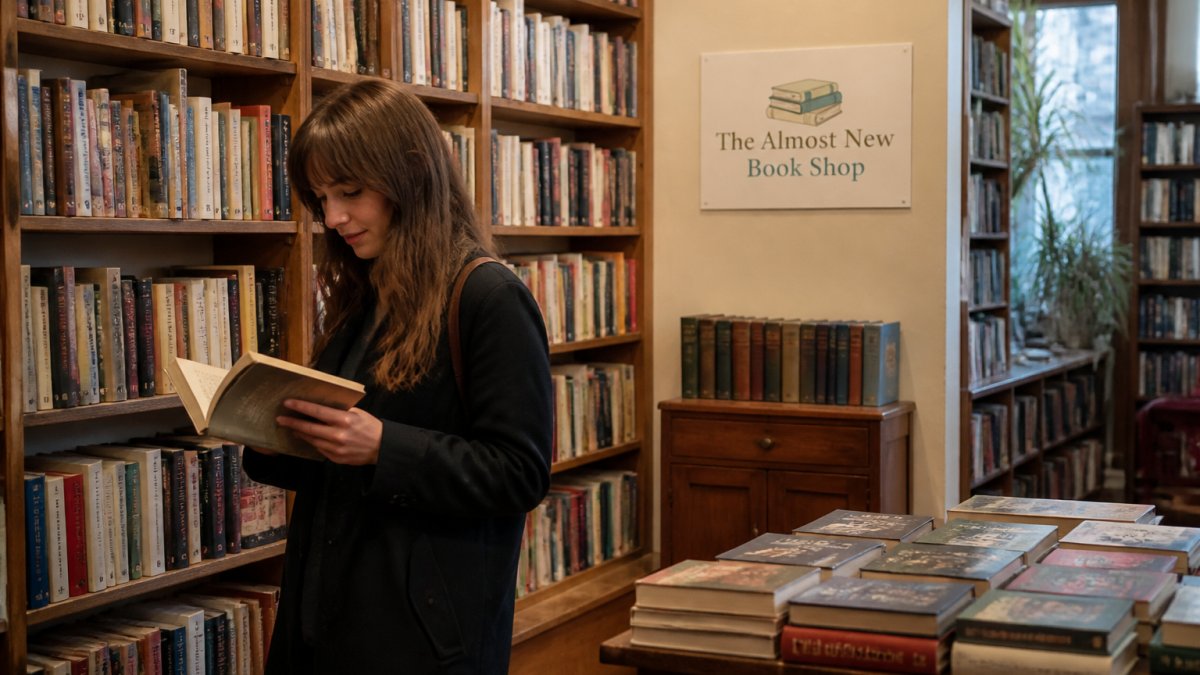
This guide from The Almost New Book Shop explains how to buy pre-loved titles with confidence, whether you shop online or in person. Second hand bookshops survive on repeat customers, so they grade condition carefully and price fairly. A bargain bin has no such incentive. That single difference shapes everything below.
Second-Hand Books Online: How to Vet a Seller Before You Buy
Vet an online seller by checking three things: how they grade condition, whether they photograph the actual copy, and what their returns policy says. Sellers who do all three are usually the ones worth your money.
Second-hand books online live or die on trust. You cannot flip through a listing the way you can a shelf, so the seller's description is the whole transaction. Look for listings that describe flaws rather than hide them.
Condition Grading: What 'Very Good' Actually Means
'Very Good' should mean a clean, complete copy with minor shelf wear and no loose pages. If a seller cannot explain their grading scale, treat every grade as a guess. 📚
Ask specifically about:
- Spine - tight or cracked, and whether it creases when opened
- Pages - tanning, foxing, annotations or highlighting
- Dust jacket - present, clipped, torn or missing
- Ex-library marks - stamps, plates or sticker residue
A seller who answers these questions plainly is a seller who inspects stock. One who replies with "it's in good condition" has told you nothing.
Photos, Returns and the Hygiene Question
Photos should show the actual copy, not a stock image. And yes, hygiene is a fair worry: a quick wipe of the cover and a check for musty odour handles most of it. 😷
Books from a smoke-free, dry-stored environment rarely cause problems. If a copy smells strongly of damp, return it. Reputable sellers accept returns on misdescribed items, so confirm the window before you buy. According to NHS guidance on damp and mould in the home, damp conditions encourage mould growth, which is one more reason to buy from sellers who store stock properly.
How to Buy Second-Hand Books Without Wasting Money
To buy second-hand books without wasting money, check the total landed cost, confirm the condition grade, and buy in small batches first. Cheap plus postage is not always cheaper than new.
That is the trap most buyers fall into. A low sticker price means nothing once delivery is added, so work out the full cost before you commit. Order one or two titles from a new seller before you place a larger order.
The Pre-Purchase Checklist
Run this before every order from an unfamiliar seller:
- Total price including postage is still below the new-copy price
- Condition grade is defined by the seller, not assumed by you
- Photos show the actual copy
- Returns window and process are stated
- Edition and publisher match what you want
- Seller confirms storage conditions on request
Used Books by Genre: Where the Real Finds Are Hiding
The best finds in used books by genre come from shops that specialise rather than generalise. A specialist knows what a first printing looks like and prices accordingly.
General sellers move volume. Specialists move knowledge, and that knowledge is what surfaces the rare copy before someone else snaps it up. 🎯
Military History and Out-of-Print Classics
Military history collectors should ask about edition, printing and whether maps or plates are intact. These details decide value more than the title itself.
Out-of-print classics follow a similar rule. A 1970s reprint and a first edition can look identical in a thumbnail and be worth very different amounts. Ask for the publisher, the year and the print line. A seller who can answer without checking has handled the book.
Children's Books That Survive a Second Reader
Children's books survive a second reader when the binding is sewn rather than glued and the pages are wipe-clean. Board books and sturdy picture books hold up best.
Parents on a budget get the most value from titles that were built to be handled. Check for scribbles, torn pop-ups and missing stickers before buying. A well-made picture book can pass through three or four readers and still look presentable.
At The Almost New Book Shop, we sort children's stock specifically for this: copies that will genuinely take another round of bedtime reading.
Sustainable Book Shopping: What to Ask Before You Trust a Green Claim
Sustainable book shopping means asking where a book came from and where it would have gone otherwise. A green claim without an answer to those two questions is just marketing.
Every rehomed book is one that does not enter the waste stream. That is the honest version of the argument, and it is the one worth checking. 🌱
Ask a seller:
- Do you source from households, libraries or clearance, and can you say which?
- What happens to books you cannot sell?
- Do you describe your packaging, not just call it eco-friendly?
Vague answers are the tell. A seller doing the work can describe it in plain terms. For context on why keeping usable goods in circulation matters, see WRAP's guidance on reusing and repairing.
Common Mistakes When Buying From Independent Bookshops
The most common mistakes are paying for a grade you never confirmed, ignoring postage, and assuming every seller inspects stock. All three are avoidable.
Watch for these:
- Trusting a grade without a definition. Ask what 'Good' means to that seller.
- Forgetting postage. The total is the real price.
- Buying a full set from a new seller. Test with one order first.
- Skipping the edition check. Reprints are not firsts.
- Ignoring storage. Damp stock smells, and that smell does not wash out.
Conclusion
Finding a book you want in the condition you were promised should not be a gamble, and with a seller who grades honestly it is not. Independent shops live on repeat custom, so they have every reason to describe stock accurately.
At The Almost New Book Shop, we rescue and rehome pre-loved books before they reach landfill, with a curated range across fiction, non-fiction, classics, military history and children's titles. Every copy is checked before it goes out, and our stock is stored dry.
Subscribe to our emails and be first to see new arrivals as they land. 📬
Frequently Asked Questions
Where can I buy second-hand books from independent bookshops?
Most independent second hand bookshops now sell through their own websites as well as in person, so you can browse stock by genre and condition before ordering. Specialists in Chichester and similar towns often list military history, classics and children's titles separately. If you want to see a book first, visit during opening hours; if you want convenience, order online and check the shop's condition grading and returns policy before you pay.
What should I check before buying a used book online?
Check the stated condition grade, whether the photos show the actual copy or a stock image, and the returns window. Look for notes on spine creasing, foxing, ex-library stamps and missing dust jackets, since these affect both reading experience and resale value. For second-hand books online, a seller that photographs each copy individually and describes flaws honestly is usually a safer bet than one using generic listings.
Are second-hand books cheaper than new books?
Usually yes, particularly for paperbacks and out-of-print titles that are no longer available new. The saving narrows once you add delivery, so compare the total landed cost rather than the cover price alone. Buying several books from one seller in a single order spreads the postage and makes sustainable book shopping genuinely cheaper than supermarket paperbacks in most cases.
Can I sell or donate books to an independent bookshop?
Many independent shops accept donations and some buy second-hand stock outright or on a sale-or-return basis. Ring ahead with a rough list of titles, since demand varies by genre and condition. Books that are mouldy, water-damaged or missing pages are usually declined because they cannot be resold safely. If a shop cannot take them, charity shops and local library sales are the next best route.