

Is Buying Used Books Sustainable? A 2026 Guide
Table of Contents
- The Environmental Case for Buying Used Books
- Environmental Impact of Paper Production and New Book Manufacturing
- The Shipping Paradox: When Carbon Costs Outweigh the Benefit
- The Author Royalty Dilemma: Do Authors Lose Out?
- How to Build a Sustainable Home Library on a Budget
- Benefits of Buying Second-Hand Books for Readers and the Planet
- Reducing Landfill Waste and Supporting Circular Economy Practices
- Conclusion
Last Updated: August 23, 2026
The Environmental Case for Buying Used Books
Buying used books extends their lifecycle and prevents landfill waste, but the full environmental picture involves trade-offs. A book already printed and bound requires no new manufacturing, paper production, or printing facility energy, a genuine environmental win. However, shipping a used book across distances creates its own carbon footprint. The real question isn't whether used books are sustainable in isolation, but whether buying used is more sustainable than your alternatives given your specific circumstances. A book purchased locally and kept for years generates far less impact than a new book shipped across the country, but a new book read once and passed to five friends might carry less weight per reader than a used book ordered from abroad.
Environmental Impact of Paper Production and New Book Manufacturing
Creating a new book requires extracting raw materials, processing them into paper, printing, binding, and packaging, each step consuming energy and resources. Paper production involves water consumption, chemical processing, and significant carbon emissions through raw material extraction, pulping, bleaching, and drying (the EPA). Transportation from factory to warehouse to retailer adds further emissions, along with packaging materials and waste.
When you purchase a used book, you bypass this entire manufacturing cycle. The book already exists; the paper has already been produced and the binding completed. You're not triggering new resource extraction or manufacturing emissions, simply redirecting an existing object to a new reader. A book serving ten readers across its lifetime generates far less environmental impact per reader than ten separate new books (peer-reviewed research).
The Shipping Paradox: When Carbon Costs Outweigh the Benefit
A used book purchased from a local independent bookshop carries minimal shipping impact, but one ordered from hundreds of miles away generates its own carbon footprint through logistics. The paradox is real: buying a used book online might produce more emissions than purchasing a new book from a local retailer. Distance travelled, package weight, and delivery method all matter.
This doesn't mean online used book shopping is inherently unsustainable, the calculation depends on specifics. Ordering multiple used books together reduces per-book shipping impact. Choosing slower, consolidated shipping methods lowers emissions compared to express delivery. Selecting a nearby seller rather than one across the country makes a measurable difference.
At The Almost New Book Shop, we're based in Chichester, which means customers across the UK benefit from relatively short shipping distances compared to international sellers. Our curated selection of fiction, non-fiction, classics, military history, and children's titles arrives with a significantly lower carbon footprint than ordering from distant retailers.
The Author Royalty Dilemma: Do Authors Lose Out?
When you buy a used book, authors receive no royalties, the money flows to the seller, not the creator (copyright.gov). Supporting authors directly through new book purchases ensures creators are compensated for their work. Authors depend on royalties to sustain their careers and continue writing.
This isn't an argument against buying used books, but a recognition that sustainability involves more than environmental impact. It includes the viability of the literary ecosystem itself. The practical solution is balance: buy some books new to support authors directly, buy others used to reduce environmental impact. Lesser-known authors often benefit most from new book sales, as royalties represent a larger portion of their income.
The Almost New Book Shop addresses this through our curation process. We stock titles across the full spectrum, from contemporary releases to classics, which means customers can explore authors before committing to new purchases. Discovering a military history title or fiction work through our used collection often leads readers to seek out other works by the same author in new editions, ultimately supporting the author's career.
How to Build a Sustainable Home Library on a Budget
Building a personal library while minimising environmental impact requires strategy. Start by defining your reading preferences, what genres genuinely interest you? A sustainable library reflects your actual tastes, not aspirational ones. Books you don't read are wasted resources.
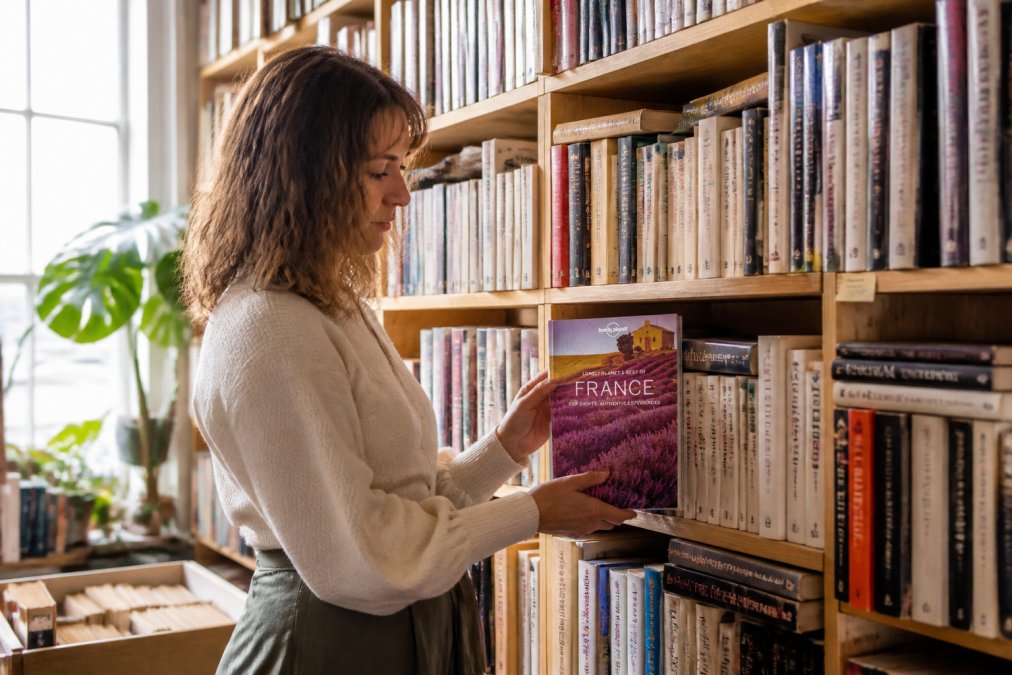
Buy used books from reputable sellers who accurately describe condition. The Almost New Book Shop provides detailed condition descriptions to avoid waste. Consolidate purchases to reduce shipping impact, ordering several books together cuts per-book carbon emissions substantially. Prioritise local purchases when possible; an independent bookshop you can visit eliminates shipping entirely.
Participate in book swaps with friends and family, creating a micro-circulation system with zero environmental cost. When buying online, look for sellers offering combined shipping or bulk discounts. Set a realistic budget and stick to it; a sustainable library grows slowly and deliberately, with each addition serving a genuine purpose.
Benefits of Buying Second-Hand Books for Readers and the Planet
Pre-loved books cost substantially less than new editions, making it possible to build a diverse library on a modest budget. For book collectors pursuing military history titles or out-of-print classics, the used market offers access to books no longer in print. Quality is rarely compromised, many used books are in excellent condition, read only once or twice before being rehomed.
Browsing used bookshelves introduces you to titles you wouldn't encounter through algorithm-driven recommendations, often leading to unexpected favourite reads. For parents building children's libraries, buying used books stretches budgets significantly while providing diverse, engaging reading material.
From an environmental perspective, the benefits are clear: reduced manufacturing impact, diverted waste from landfill, and extended product lifecycle. Every used book purchased is a book that doesn't require new paper production, printing, packaging, or transportation from a manufacturing facility. Across millions of readers, this environmental benefit becomes substantial.
Reducing Landfill Waste and Supporting Circular Economy Practices
Books that are discarded represent wasted resources, paper, cardboard, ink, and binding materials end up in landfill where they decompose slowly. The circular economy framework applies directly to books: rather than following a linear path of manufacture, purchase, and discard, books can circulate through multiple readers, extending their useful life indefinitely.
Supporting the second-hand book market directly supports circular economy practices. Every purchase of a used book signals demand for circular solutions, encouraging retailers to prioritise rescuing books from waste streams. Local independent bookshops specialising in used books intercept books from estate sales, donations, library culls, and personal collections, redirecting them to new readers, active waste prevention.
Consumer behaviour shapes markets. A growing preference for used books signals to publishers and retailers that sustainable consumption matters. Participating in this shift doesn't require sacrifice; you're not compromising on quality, selection, or reading experience by choosing used books.
Is buying used books sustainable? Yes, with the important caveat that sustainability depends on context. A used book purchased locally and kept for years is undoubtedly more sustainable than a new book shipped internationally and discarded after one read.
The strongest argument for used books is systemic: they reduce manufacturing demand, divert waste from landfill, and extend product lifecycles. They're affordable, often higher quality than expected, and available in far greater variety than new books. They support circular economy principles and local independent retailers.
At The Almost New Book Shop, we've built our business on this conviction. We rescue pre-loved books from potential waste and rehome them with readers who'll cherish them. Our curated selection of fiction, non-fiction, classics, military history, and children's titles proves that second-hand books offer genuine quality and value. Browse our collection and discover your next great read, while making a choice that's genuinely better for the planet.
Frequently Asked Questions
Is buying used books better for the environment than buying new?
Yes, buying used books is significantly better for the environment. New book production requires raw material extraction, energy-intensive manufacturing, and transport emissions. When you buy a used book, you extend its lifecycle and prevent it from reaching landfill, eliminating those manufacturing impacts. However, shipping costs matter, buying used books locally or in bulk reduces the carbon benefit. The most sustainable choice combines buying used with minimising shipping distances.
Does buying used books affect author royalties and income?
Authors typically earn royalties only on new book sales, not second-hand ones. This is the core tension: buying used supports sustainability but doesn't directly fund authors. The solution is balance. Support authors you love by buying their new releases, whilst building your library with used copies of backlist titles and classics. Many readers find they can afford to buy more books overall when mixing new and used purchases, ultimately supporting more authors than they could on a new-only budget.
How can I build a sustainable home library without spending a fortune?
Start by shopping second-hand, pre-loved books cost a fraction of new prices, often between £3-£6 depending on condition and genre. Buy local when possible to avoid shipping emissions. Mix in occasional new purchases from independent bookshops to support authors and local businesses. Join book-swapping communities or library systems for free access. Focus on quality over quantity: curate titles you'll actually read and keep, rather than impulse buying. This approach builds a meaningful library whilst respecting both your budget and the planet.
Do second-hand books help reduce landfill waste?
Absolutely. Every pre-loved book rehomed is one that doesn't end up in landfill, where it would decompose and release methane emissions. The second-hand book market diverts millions of tonnes of books from waste streams annually. By buying used books, you're directly participating in landfill diversion and supporting the circular economy. Retailers like The Almost New Book Shop specialise in rescuing books destined for disposal and giving them new readers, turning what would be waste into a valuable resource.
This article was written using GrandRanker