

Affordable Books for Avid Readers: 7 Ways to Build Your Library
Table of Contents
- Why Affordable Books Matter for Avid Readers
- Used Books vs New Books: Which Saves You Money
- Best Websites for Cheap Books Online
- Second-Hand Bookstores and Thrift Shops
- Library Services and Community Resources
- How to Organise a Home Library on a Budget
- Digital and Audiobook Alternatives for Cost Savings
- Book Swapping and Community Sharing Platforms
Last Updated: August 28, 2026
Why Affordable Books Matter for Avid Readers
Reading is expensive. A new hardcover novel costs £15-20, and collectors who devour multiple titles weekly face mounting costs that can spiral into hundreds of pounds monthly (booksellers.org.uk). For avid readers, that's not a luxury problem, it's a genuine barrier to building the personal library they crave. The good news: affordable books for avid readers have never been more accessible, and the methods to find them have multiplied beyond the traditional charity shop.
This guide from The Almost New Book Shop explores seven practical ways to build your reading collection without sacrificing quality or variety. Whether you're a Gen Z reader prioritising sustainability, a parent hunting pre-loved children's books, or a military history collector searching for rare out-of-print titles, there's a cost-effective path forward. We've curated strategies that work across fiction, non-fiction, classics, and niche genres, all proven to stretch your reading budget while keeping books out of landfills.
Used Books vs New Books: Which Saves You Money
The maths is straightforward: a used paperback costs 40-60% less than a new copy, and hardcovers save even more. A new Jacqueline Wilson novel costs £5-8 new; the same title secondhand runs £2.99-3.99 at The Almost New Book Shop. Over a year of regular reading, those savings compound dramatically.
But the comparison isn't purely financial. New books support authors directly and arrive in pristine condition. Used books, however, come with hidden advantages that avid readers often overlook. A secondhand copy has already proven itself, someone else chose it, read it, and deemed it worth keeping or passing on. That's implicit quality filtering. You're buying books that resonated with real readers, not just publisher marketing.
The environmental argument strengthens the case further. Buying used prevents books from entering landfills, which happens to millions of volumes annually in the UK (wrap.org.uk). Every secondhand purchase redirects a book toward a reader who wants it, rather than toward waste. For environmentally conscious collectors, that's not a minor benefit, it's central to why affordable books for avid readers matter beyond just price.
The real question isn't whether used books save money, they do, substantially. It's whether you value condition, first-edition status, or immediate availability enough to pay the premium. For most readers building a working library, the answer is no. For collectors pursuing rare military history titles or signed first editions, the answer might be yes. The Almost New Book Shop stocks both everyday reads and harder-to-find volumes, so you can choose based on what matters for each purchase.
Best Websites for Cheap Books Online
Online marketplaces have democratised access to affordable books for avid readers. You're no longer limited to what your local charity shop has in stock on any given day, you can search thousands of titles from home and compare prices instantly.
The Almost New Book Shop (thealmostnewbookshop.net) specialises in curated secondhand collections across fiction, non-fiction, classics, military history, and children's titles. Every book is inspected and condition-described before listing. The Chichester-based retailer focuses on preventing pre-loved books from going to landfill, which means their selection reflects genuine curation rather than bulk dumping. Shipping is straightforward, and prices start from £2.99 for paperbacks. For readers seeking a community-focused alternative to mainstream retailers, The Almost New Book Shop offers both affordability and purpose.
Other established platforms include dedicated secondhand marketplaces where individual sellers and small retailers list inventory. These sites often have larger selection but require more careful vetting, condition descriptions vary by seller. Always check return policies before committing, especially if ordering from unfamiliar vendors.
The advantage of specialised retailers like The Almost New Book Shop versus generic marketplaces is consistency. You know what you're getting: books that have been individually assessed, described honestly, and packed with care. That removes the gamble from buying affordable books for avid readers online.
Second-Hand Bookstores and Thrift Shops
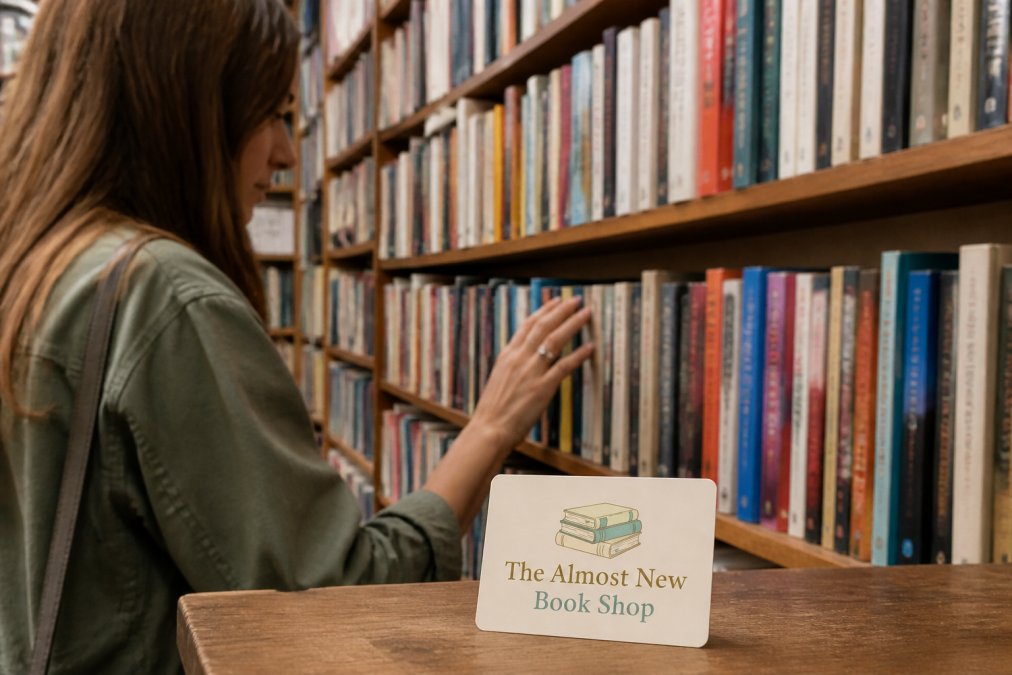
Physical secondhand bookstores and charity shops remain unbeaten for the browsing experience. You can inspect condition in person, flip through pages, and discover unexpected treasures. Thrift stores like Oxfam often stock donated books at rock-bottom prices, sometimes under £1 for paperbacks, though selection is unpredictable and inventory turns quickly.
Independent secondhand bookshops offer a middle ground: curated stock, knowledgeable staff, and fair pricing. Many specialise in particular genres, military history, literary fiction, children's classics, which makes hunting for specific titles easier. The Almost New Book Shop, though primarily online, represents this curatorial approach: every volume is chosen intentionally rather than accepted as-is from bulk donations.
The trade-off with physical shopping is time investment. You might spend an hour browsing to find three books worth buying. Online ordering skips that friction but removes the serendipity of discovering a title you didn't know existed. Serious avid readers often combine both: browse local shops for pleasure and unexpected finds, then supplement with online orders for specific titles or when time is tight.
Library Services and Community Resources
Public libraries remain the most underutilised resource for affordable books for avid readers. A library card costs nothing and grants unlimited access to millions of titles. Borrowing is free. If you want to own rather than borrow, inter-library loan services let you request books from other branches, again, at no cost.
For readers testing an author or genre before committing to purchase, libraries are invaluable. You can read widely, discover what you genuinely love, then buy affordable secondhand copies of your favourites to build a permanent collection. Many libraries also host book swaps and community lending schemes where members exchange titles directly.
Community book exchanges operate in some neighbourhoods, informal networks where readers leave books on shelves or swap via local groups. These are free and foster genuine literary community. Some schools and workplaces run similar schemes. The barrier to entry is zero, and the environmental impact is significant: books cycle through readers indefinitely without entering retail channels.
The limitation of libraries is availability during peak times and selection constraints based on local demand. Rare or niche titles may require patience. But for building affordable reading habits and discovering new authors, libraries are unmatched. Combine library borrowing with strategic purchases of affordable books for avid readers, and you maximise both access and ownership.
How to Organise a Home Library on a Budget
Building an affordable collection is only half the challenge, organising it so you can actually find what you want matters equally. A chaotic pile of books defeats the purpose of owning them.
Start simple: arrange by category (fiction, non-fiction, children's, military history) rather than attempting complex systems. Within each category, alphabetical order by author works well and requires no equipment. This approach works for collections up to several hundred volumes.
For larger libraries, add a secondary sort: arrange fiction by genre or subgenre, then alphabetically within each. Non-fiction can follow the Dewey Decimal System loosely, though strict adherence is unnecessary for personal use. The goal is a system you'll actually maintain, not one that looks impressive but collapses after a month.
Shelving doesn't require expensive furniture. Budget bookcases from high street retailers cost £30-60 and hold 40-60 books per unit. Alternatively, use floating shelves (£15-25 each) for a more curated aesthetic. Stack books horizontally if space is tight, it saves room and works visually. Mixing hardcover and paperback titles, arranged by colour or genre, creates both functionality and visual appeal on limited budgets.
Label shelves lightly with category names if your collection spans multiple bookcases. This helps you and visitors locate sections without hunting. For military history collectors or those with niche interests, a simple spreadsheet listing titles, authors, and shelf locations (e.g., "Shelf 2, Row 3") costs nothing and saves time when you can't remember which book you own.
The real secret to budget-friendly organisation is accepting that your system will evolve. Start basic, add complexity only when needed, and don't invest in expensive organisational tools until you know what system actually works for your habits. Many avid readers find that the act of organising their collection, even simply, deepens their connection to the books and increases how often they're read.
Digital and Audiobook Alternatives for Cost Savings
E-books and audiobooks offer a different cost equation than physical books. Many are cheaper than paperbacks, and subscription services like Kindle Unlimited or Audible provide access to hundreds of thousands of titles for a flat monthly fee (typically £7.99-11.99) (amazon.co.uk).
For avid readers consuming multiple titles weekly, subscriptions can save money compared to buying each book individually. A reader finishing four books monthly pays roughly £2 per title via subscription versus £3-5 for secondhand paperbacks. However, subscriptions offer less permanence, you lose access if you cancel, and selection is curated by the platform rather than freely available.
The economics shift if you're selective. Buying a few affordable secondhand physical books monthly while using library borrowing and occasional e-book purchases creates a hybrid approach that minimises cost while maximising choice. Some readers prefer physical books for deep, focused reading and e-books for casual browsing or travel. Others commit entirely to one format.
The environmental argument for e-readers is mixed. A Kindle or e-reader device requires manufacturing resources and electricity, but it eliminates paper, printing, and shipping waste across potentially thousands of books. Over time, the environmental impact favours e-readers for heavy readers, though secondhand physical books remain the greenest option since they're already manufactured and simply redirected to new readers.
For affordable books for avid readers, consider your reading pace and preferences. Fast readers who consume dozens of titles monthly may find subscription services economical. Selective readers who reread favourites and build permanent collections benefit more from affordable secondhand purchases combined with library borrowing.
Book Swapping and Community Sharing Platforms
Book swapping networks let readers exchange titles directly, cutting cost to zero. Online platforms like BookMooch or local Facebook groups facilitate swaps, you list books you're finished with, request titles you want, and arrange exchanges (sometimes with small postage fees).
The advantage is obvious: free books. The limitation is reciprocity, you must have books others want to swap for. This works well for popular fiction and bestsellers but fails for niche titles or rare military history volumes where demand is limited.
Community swapping also builds social connection. You're not just acquiring books; you're engaging with other readers, learning recommendations, and participating in a literary community. For Gen Z and Millennial readers prioritising sustainability and community, this aspect matters as much as the cost savings.
Some neighbourhoods have established book-swap shelves in public spaces, little libraries where residents leave books for others to take. These operate on honour systems and require no registration or transaction. The selection is unpredictable, but the environmental impact is substantial: books cycle indefinitely without entering retail or waste streams.
The Almost New Book Shop gift card (£5.00) works well as a thank-you gift when you're part of a swapping community, it lets fellow readers explore curated secondhand options if they want to supplement their swapping activity with occasional purchases.

Swapping works best as a complement to other affordable book sourcing, not a replacement. Combine it with library borrowing, strategic purchases from retailers like The Almost New Book Shop, and occasional thrift-shop finds, and you've built a resilient, low-cost reading ecosystem.
Building an affordable book collection is entirely achievable, you simply need to know where to look and how to combine multiple sourcing strategies. Avid readers who blend library borrowing, secondhand purchases, community swaps, and selective digital reading create collections that reflect their interests without draining their budgets.
The Almost New Book Shop makes this easier by curating secondhand fiction, non-fiction, classics, military history, and children's titles at transparent, fair prices. Every book is condition-described honestly, preventing the disappointment of ordering blind online. Start with a gift card (£5.00) to explore the collection, or browse specific titles directly. Join our community of readers who believe great stories deserve a second chapter, and that building your library shouldn't mean sacrificing sustainability or your bank account.
Frequently Asked Questions
Q: What is the least expensive way to read books for avid readers?
A: Second-hand books offer the biggest savings, with paperbacks costing £2-£4 from retailers like The Almost New Book Shop, compared to £8-£12 for new releases. Library services are completely free and provide unlimited access to thousands of titles. E-books and audiobooks via subscription services (often £9-£15 monthly) spread costs across many books. Book swapping communities eliminate cost entirely by exchanging titles within your reading circle. Combining these approaches, using libraries for new releases, buying second-hand for keeps, and swapping within your community, creates the most cost-effective reading strategy.
Q: How do used books vs new books compare in terms of value?
A: Used books typically cost 50-70% less than new editions, with quality second-hand copies in good condition nearly identical to new ones. A second-hand paperback from The Almost New Book Shop costs £2.99-£3.99, whilst new paperbacks retail for £8-£12. Used books don't require new materials or manufacturing, making them environmentally sustainable. The trade-off: availability may be limited for very recent releases or niche titles. For building a personal library, used books deliver exceptional value, especially for classics, backlist titles, and genre fiction where condition is consistent and supply is reliable.
Q: How does buying second-hand books contribute to sustainability?
A: Second-hand books prevent waste by extending each volume's lifespan across multiple readers, reducing landfill burden. Manufacturing new books requires paper, water, energy, and transport emissions; buying pre-loved books eliminates this environmental cost entirely. Retailers like The Almost New Book Shop rescue books that would otherwise be discarded, giving them a second chapter with new readers. By choosing used over new, avid readers reduce their carbon footprint whilst supporting a circular economy. This approach aligns with environmentally conscious values without compromising reading access or quality.
Q: What should I look for when buying books online to ensure good condition?
A: Check detailed condition descriptions (Good, Very Good, Fine) and read seller notes about wear, markings, or damage. Request close-up photos of the cover, spine, and pages before purchasing. Reputable sellers like The Almost New Book Shop provide honest condition assessments and clear photos. Ask about return policies if the book doesn't match the description. Look for sellers with strong customer reviews and feedback ratings. Avoid sellers with vague descriptions or single photos. Many quality second-hand retailers offer money-back guarantees if items arrive in worse condition than advertised, protecting your purchase.
This article was written using GrandRanker