

Affordable Books for Personal Libraries: 7 Ways to Build Your Collection
Table of Contents
- 1. Pre-Loved Books from Specialist Retailers
- 2. Library Sales and Community Book Events
- 3. Online Marketplaces for Second-Hand Books
- Used Books vs New Books: Which Builds Your Library Better?
- 4. Building Your Collection Over Time on a Budget
- How to Organise a Home Library: Storage and Cataloging
- 5. Finding Rare and Out-of-Print Editions
- Sustainable Library Maintenance and Book Preservation
- Quick Sourcing Summary
- Frequently Asked Questions
Last Updated: September 2, 2026
Building a personal library doesn't require deep pockets. Affordable books for personal libraries are within reach if you know where to look and how to build strategically over time. At The Almost New Book Shop, we help readers build collections that reflect their tastes without breaking the bank. The key isn't finding the cheapest books; it's finding the right books at sustainable prices, then maintaining them thoughtfully.
1. Pre-Loved Books from Specialist Retailers
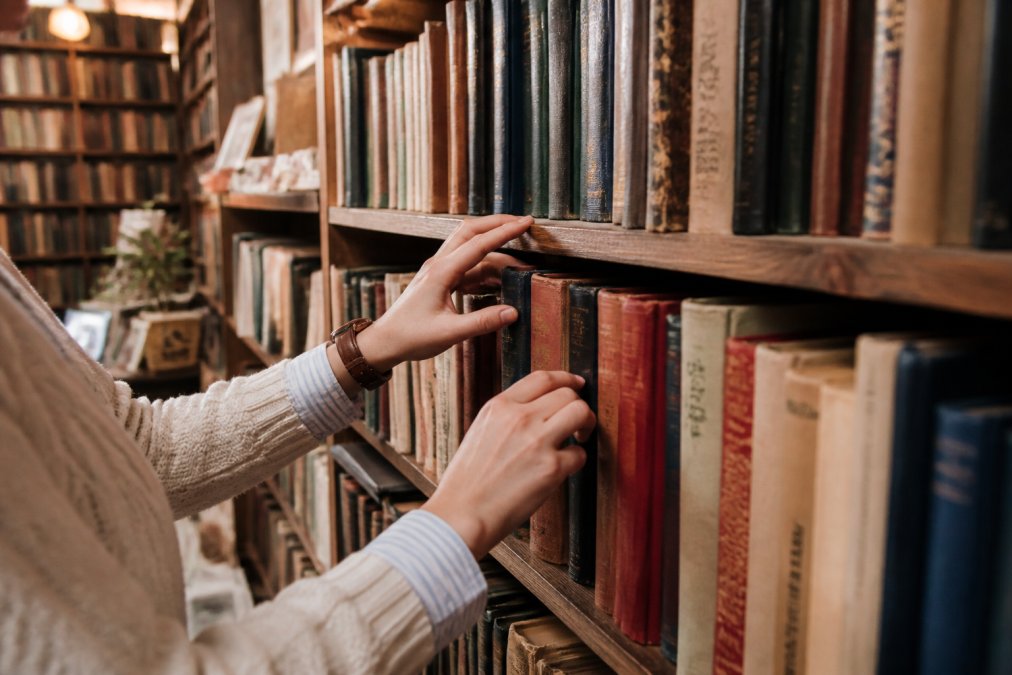
Specialist second-hand retailers are your foundation for building affordable books for personal libraries. Unlike charity shops where stock rotates unpredictably, curated pre-loved book retailers maintain consistent inventory and quality standards. At The Almost New Book Shop, every title is assessed before it reaches our shelves, we rescue books destined for landfill and rehome them to readers who'll treasure them. That curation saves you time and ensures quality.
Pricing typically sits 40-60% below new retail. A Lonely Planet travel guide costs a fraction of the original price. Jacqueline Wilson's Glubbslyme at £3.99 versus £10+ new. For military history collectors, this approach unlocks access to out-of-print titles that would otherwise cost far more on rare book markets.

The trade-off is selection. Specialist retailers stock what they receive, forcing intentionality. You build your collection through discovery rather than impulse, which creates a stronger, more cohesive library.
2. Library Sales and Community Book Events
Library sales and community book events are where bulk sourcing meets affordability. Most happen quarterly or annually, offering fiction, non-fiction, children's books, and reference works at prices of 50p to £2 per hardcover, sometimes less on final days (ala.org).
Community book swaps operate differently but serve the same purpose. Local reading groups, schools, and neighbourhood initiatives organize exchanges where readers bring books they've finished and take home titles they want. No money changes hands, but the sourcing cost is zero.
The challenge is predictability. Stock is limited and varies dramatically. Building your collection this way requires patience and flexibility, you take what's available rather than hunting for specific titles. But for readers who enjoy serendipity, this approach is unbeatable for value.
3. Online Marketplaces for Second-Hand Books
Online platforms democratize access to pre-owned books. You're no longer limited to what's physically near you. You can hunt for specific titles, compare condition descriptions across sellers, and build your collection methodically.
The advantage is precision. For collectors hunting rare editions or specific out-of-print titles, online marketplaces are essential. A military history collector might pay £15-20 for a pre-loved out-of-print title that would cost £40+ new.
The catch is shipping. A £3 book plus £3.50 postage is no longer a bargain. Bulk ordering matters, if you're buying three to five books at once, the per-unit shipping cost drops significantly.
Used Books vs New Books: Which Builds Your Library Better?
Used books cost less upfront, typically 40-70% below new retail (booksellers.org.uk). When you buy pre-loved books, you're preventing them from entering landfill and extending their useful life. New books offer pristine condition and immediate availability, but for building affordable collections, used books win on both economics and values alignment.
A mixed approach works best: buy used for volume and discovery, new for books you love enough to support the author directly, used for children's books, and new for reference books you'll consult repeatedly.
| Metric | Used Books | New Books |
|---|---|---|
| Average cost per book | £3-6 | £8-15 |
| Environmental impact | Prevents landfill | New resource use |
| Condition consistency | Variable (inspect carefully) | Guaranteed pristine |
| Availability | Depends on market | Immediate |
| Rarity options | Access to out-of-print titles | Limited to current print |
4. Building Your Collection Over Time on a Budget
The mistake most new collectors make is trying to build a complete library at once. Strategic collection building is incremental.
Start with a core list. What genres or topics matter to you? Narrow your focus. A focused collection of 200 books you genuinely love beats a random assortment of 500.
Set a monthly budget. Even £20-30 per month compounds. Over a year, that's £240-360 in books. Sourced second-hand, that's 40-60 books (peer-reviewed research). Over five years, you've built a library of 200-300 titles without straining your finances.
Build around themes or authors. Instead of random acquisitions, pursue authors you love or establish historians in your field of interest. This creates coherence and tells a story about who you are as a reader.
Use the rule of three: before buying any book, ask if it fits your collection's focus, if you've wanted it for more than two weeks, and if you'll actually read or reference it within the next year. If you can't answer yes to all three, skip it.
How to Organise a Home Library: Storage and Cataloging
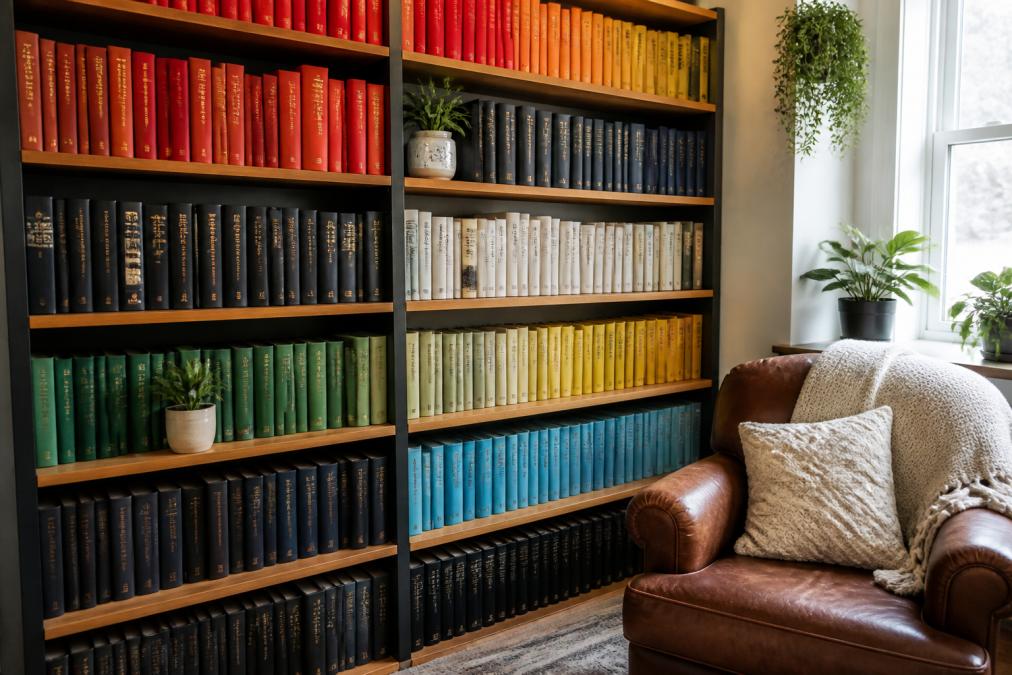
Organization separates a collection from a pile. Without it, you forget what you own, buy duplicates, and can't find titles when you want them.
Start with physical arrangement. Genre-based shelving is most practical: fiction together, non-fiction by subject, children's books in their own section. Within each section, alphabetize by author. For smaller spaces, wall-mounted shelving uses space efficiently. Floating shelves look clean and work well for display-oriented collections.
Cataloging systems range from simple to sophisticated. A spreadsheet with columns for title, author, genre, condition, and date acquired gives you a searchable inventory. Apps like Goodreads let you scan barcodes and build digital records. The key is consistency, pick a system and stick with it.
5. Finding Rare and Out-of-Print Editions
Out-of-print doesn't mean rare or valuable. It means the publisher isn't printing new copies. Many out-of-print books are common and genuinely affordable on the second-hand market, often cheaper than when in print.
Genuinely rare books, first editions, limited printings, and signed copies cost more. A first edition of a literary classic might be £20-50. A signed copy could be £50-200+. These are investments, but still dramatically cheaper than new retail for hard-to-find titles.
Finding rare editions requires patience and knowledge. Specialist rare book dealers, auction sites like eBay, and book-specific marketplaces focus on out-of-print stock. The Almost New Book Shop sources curated pre-loved titles including harder-to-find editions, especially valuable for military history collectors.
If you're serious about rare books, invest in learning how to identify genuine editions. Mispriced bargains exist, but so do overpriced fakes.
Sustainable Library Maintenance and Book Preservation
Building a collection is one thing. Keeping it in good condition for years is another. Storage conditions matter most. Keep your library in a cool, dry place, away from direct sunlight. UV light fades spines and pages. Humidity causes mold and foxing. Temperature fluctuations warp bindings.
Handling is the second factor. Open books gently. Don't crack spines by forcing them open flat. Use bookmarks instead of folding page corners. Wash your hands before reading, oils and dirt transfer to pages.
Dust jackets protect hardcovers. Keep them on. If damaged, store them separately in acid-free sleeves. For paperbacks, consider book covers if you handle them frequently.
Store books upright or at slight angles, not spine-down. Don't overstuff shelves; books need air circulation. For repairs, invest in archival-quality supplies. If damage is serious, consult a professional conservator.
Quick Sourcing Summary
Building affordable books for personal libraries requires knowing your options and committing to a strategy.
Best for discovery and variety: Library sales and community book events. Low cost, serendipitous finds, but limited selection.
Best for specific titles and convenience: Online second-hand marketplaces. Broader selection and precise searching, but factor in shipping costs.
Best for curated quality and sustainability: Specialist pre-loved retailers like The Almost New Book Shop. Consistent quality standards and the assurance that books are being rescued from landfill.
Best for rare editions and serious collecting: Specialist rare book dealers and auction platforms. Higher prices, but access to genuinely scarce titles.
The most successful collectors use all four approaches. They hunt library sales for bulk acquisitions, browse online for specific titles, source curated selections from specialists, and invest selectively in rare editions that matter to their collection's focus.
Building your personal library shouldn't drain your bank account. Start with The Almost New Book Shop's curated selection of pre-loved fiction, non-fiction, classics, military history, and children's titles, each one rescued and ready for its next chapter. Browse our collection, discover your next read, and join a community of readers who believe great stories deserve a second life. Subscribe to our emails to stay updated on new arrivals and special finds that match your reading interests.
Frequently Asked Questions
Q: What are the best ways to source affordable books for personal libraries?
A: The most cost-effective sources include pre-loved book retailers like The Almost New Book Shop (offering titles from £3.50 to £11.99), library sales, charity shops, and online marketplaces. Community book swaps and car boot sales also provide excellent value. Buying second-hand books typically costs 50-70% less than new editions, making it possible to build a substantial collection on a modest budget while supporting sustainability.
Q: Are second-hand books better for building a personal library than new ones?
A: Second-hand books offer significant advantages for personal library building: they cost substantially less, are environmentally friendly by preventing waste, and often come in good condition with character. New books are preferable only if you need the latest editions or specific formats. For most readers building a collection, used books provide better value without compromising quality, especially when sourced from reputable retailers who inspect condition carefully.
Q: How do I organise a growing personal library at home?
A: Start by grouping books by genre, author, or subject, whichever system you'll remember. Use vertical shelf space efficiently with bookends, and consider a simple cataloging system (spreadsheet or app) for larger collections. Label shelves if space is tight, and keep frequently read titles at eye level. For small homes, use wall-mounted shelves or under-bed storage. Rotate collections seasonally if space is limited, and regularly cull books you've finished reading to maintain organisation.
Q: What should I do if a pre-loved book arrives in poor condition?
A: Reputable retailers like The Almost New Book Shop describe condition accurately and stand behind their sales. If a book arrives damaged or misrepresented, contact the seller immediately with photos. Most offer returns or refunds. Always check seller reviews and condition descriptions before purchasing. Request detailed photos if uncertain, and buy from retailers with clear return policies. This protects your investment and ensures you build a collection of books you're genuinely happy to keep.
This article was written using GrandRanker