

7 Awesomebooks Alternatives for Quality Used Books
Table of Contents
- Why Awesomebooks Shoppers Are Looking for Alternatives
- What Makes a Seller Reliable for Quality Used Books?
- The Almost New Book Shop: A Curated, Sustainable Choice
- How to Grade Used Book Condition Before You Buy
- Price Comparison: Used vs. New Paperbacks
- Sustainable Online Book Shops and Ethical Retail
- The Best Places to Buy Used Books in the UK
- Final Verdict: Where to Find Quality Used Books
- Frequently Asked Questions
Last Updated: September 4, 2026
When a book arrives with a creased spine, a mystery stain, or pages that smell like someone else's attic, you stop trusting the phrase "quality used books." The secondhand market has exploded, but so has the gap between what sellers describe and what lands on your doormat. This guide covers the best Awesomebooks alternatives for quality books that deliver.
Below, we break down what separates reliable sellers from the rest, how to grade condition before you commit, and where to find a genuine Awesomebooks alternative without gambling your money.
Why Awesomebooks Shoppers Are Looking for Alternatives
Most readers leave big marketplace sites for two reasons: inconsistent condition grading and impersonal service. When buying pre-owned sight unseen, the seller's description is your only guarantee, and many shoppers report that the "good" condition copy they received had annotations, torn dust jackets, or odours no photograph could reveal.
Reliability matters more than raw volume. A seller with a smaller, curated inventory who accurately describes each book beats a warehouse operation shipping thousands of generic listings.
Large operations often discard unsold stock, and shipping single books from distant warehouses adds up. A local or regional seller with a genuine rescue mission offers something marketplace giants cannot: accountability.
What Makes a Seller Reliable for Quality Used Books?
A reliable secondhand seller is one whose condition grading you can trust, whose descriptions mention flaws rather than hiding them, and whose return policy protects you if something slips through.
Key reliability signals to check:
- Specific condition terms, not vague claims like "good" without detail
- Photos of the actual book, not stock images
- A stated policy on returns for misdescribed items
- Honest notes on odours, markings, or damage
Customer reviews tell you how a seller handles problems, not just how fast they ship. A seller with a few negative reviews who responds and resolves issues is often safer than one with perfect scores and no accountability.
The Almost New Book Shop: A Curated, Sustainable Choice
Our top pick as an Awesomebooks alternative for quality books is The Almost New Book Shop, a Chichester-based retailer with a clear mission: rescuing pre-loved books so they never end up in landfill. Every title is individually curated and described, giving you an honest condition assessment rather than a generic listing generated from a barcode.
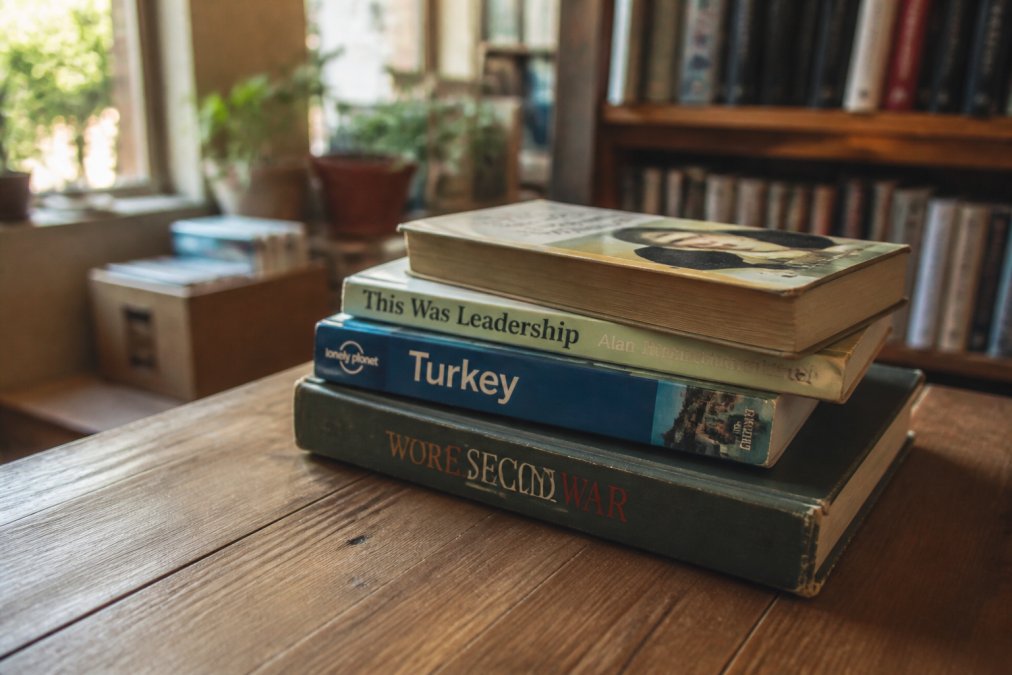
The catalogue spans fiction, classics, children's titles, and a strong non-fiction section, with prices that make building a home library affordable. Each book is described with its actual condition.
Military History and Rare Finds
Collectors of military history often struggle to find depth beyond the same handful of popular titles. The Almost New Book Shop regularly stocks serious works like Normandy '44 by James Holland, priced at £4.99.

Fiction and Travel Guides in Stock
Fiction readers will find psychological thrillers like Blink by K.L. Slater at £6.99, while travel enthusiasts can pick up Lonely Planet guides for a fraction of their original price. These are genuine secondhand copies with honest condition notes.
How to Grade Used Book Condition Before You Buy
Used book condition grading is the practice of assessing a book's physical state using standard terms, and it is the single most important skill for buying secondhand online. The common scale runs from "as new" through "fine," "very good," "good," and "fair," but interpretations vary wildly between sellers.
What each grade generally means:
- As New: No visible wear, indistinguishable from a new copy
- Fine: Minor handling, no marks, tight binding
- Very Good: Light shelf wear, clean pages, possibly a name inside
- Good: Visible wear, creased spine, may have annotations or a loose binding
- Fair: Reading copy only, structural issues, stains or damage
A common mistake is assuming "good" means presentable. In practice, "good" often signals a book that has been read several times. If you want a copy for your shelf rather than your bag, hold out for "very good" or better.
The Gap: What Sellers Don't Tell You
Most grading guides stop at definitions, but the real friction in the secondhand market is what happens between grades. A book can be "very good" on the cover and still have a cracked hinge or a previous owner's marginalia in pencil. Here are the specific defects that rarely appear in listings but frequently disappoint buyers:
- Foxing: Small brown spots caused by oxidation of paper impurities. Common in pre-1980s paperbacks and more prevalent in humid conditions. Sellers rarely mention it unless it's severe.
- Tanning: The yellowing of page edges, especially on mass-market paperbacks. It's natural ageing, but a listing that says "clean pages" may still have significant tanning.
- Remainder marks: A dot or line on the bottom edge of a book that was marked down by the publisher. This signals a book that didn't sell initially, not a quality issue, but it's often omitted from descriptions.
- Ex-library indicators: Stamps, labels, or plastic covers that remain even when a seller claims the book is "clean." Some buyers don't mind; others consider it a dealbreaker. Always ask before committing.
A Practical Decision Framework
Rather than relying solely on the seller's grade, use this three-step check before you click buy:
- Look for the specific, not the general. A listing that says "very good with light shelf wear" is more trustworthy than one that says "good condition." Specificity signals that a human actually handled the book.
- Check the photos for the spine and page edges. Most listings show the cover and back, but the spine crease and page block tell you how the book was actually read. If those photos are missing, request them.
- Assess the price-to-grade ratio. If a "very good" copy is priced suspiciously low compared to other listings, the seller may be using a looser grading scale. Cross-reference with the same title from two or three other sellers to calibrate.
The Unique Angle: Grading for Purpose
A grade is only useful in context. A "good" copy of a mass-market thriller is perfectly acceptable for a beach read, but the same grade on a collectible first edition would be a poor investment. Before you buy, decide what the book is for:
- Reading copy: "Good" or "fair" is fine. You want clean, legible text and a binding that won't fall apart mid-chapter.
- Shelf copy: Hold out for "very good" or better. You want a spine that hasn't been cracked and pages without annotations.
- Gift copy: "As new" or "fine" only. Anything less risks embarrassment.
- Collector copy: Grade is everything, but provenance matters more. Look for seller notes on edition, printing, and any restoration work.
Price Comparison: Used vs. New Paperbacks
New paperbacks in the UK typically retail between £8 and £10, with bestselling hardbacks far higher. Secondhand copies from curated sellers undercut that significantly. The value becomes clear when you factor in that these are quality used books.
| Book Title | New Price (Typical) | Secondhand Price | Saving |
|---|---|---|---|
| Normandy '44 by James Holland | £10.99 | £4.99 | £6.00 |
| Lonely Planet Best of France | £15.99 | £4.99 | £11.00 |
| Blink by K.L. Slater | £8.99 | £6.99 | £2.00 |
| Alex Ferguson: Leading | £20.00 | £11.99 | £8.01 |
Shipping costs can erode those savings, so check whether the seller offers reduced or free delivery on multiple items. A single book with £3 shipping still beats the new price, but bundling several titles in one order is where the real economy appears.

Sustainable Online Book Shops and Ethical Retail
Sustainable online book shops is a category that has grown as readers wake up to the environmental cost of new printing. The publishing industry consumes significant resources, and every pre-owned book purchased is one that avoids the pulper.
Ethical retail in this space means more than selling secondhand. It means honest condition descriptions that prevent wasteful returns, careful packaging, and a business model that prioritises curation over volume.
For the environmentally conscious reader, choosing a seller with a stated rescue mission over a faceless marketplace is a meaningful act. Your purchase keeps a book in circulation and supports a small business.
The Missing Metric: What Actually Happens After You Click Buy
Most sustainability discussions in the book world stop at "buy secondhand." But the environmental impact of your purchase continues through packaging, transport, and the seller's operational choices. Here's what separates genuinely sustainable sellers from those using the label as a badge:
- Packaging materials: A seller who uses recycled cardboard mailers, paper tape, and no plastic bubble wrap is making a measurable difference. A single plastic poly mailer weighs roughly 10 grams and takes centuries to decompose (the EPA). Cardboard can be recycled in your kerbside bin.
- Shipping distance: A book shipped from a warehouse 200 miles away has a smaller carbon footprint than one shipped 2000 miles. Regional sellers who dispatch from within the UK reduce transport emissions significantly compared to those fulfilling from overseas warehouses.
- Order consolidation: Sellers who encourage bundling multiple titles into one shipment cut per-book packaging and delivery emissions. One parcel with three books uses less cardboard and fuel than three separate parcels.
- Returns handling: A seller with accurate condition descriptions sees fewer returns. Every return doubles the shipping emissions and often results in the book being discarded rather than resold. Honest grading is an environmental act.
The Carbon Question: What You Can Actually Calculate
You don't need a full lifecycle assessment to make informed choices. A new paperback has an embodied carbon footprint of roughly 1 kg CO2e (publishers.org.uk). A secondhand book's embodied footprint is effectively zero, the emissions were already incurred by the first buyer.
For UK deliveries, Royal Mail's standard parcel service emits approximately 0.2 kg CO2e per parcel for a typical 48-hour delivery within England (royalmail.com). These numbers are small but compound across a multi-book order.
The Unique Angle: Asking the Right Questions
Most buyers never ask about sustainability because they assume all secondhand sellers are equal. They aren't. Before you order, ask these questions:
- What packaging do you use? The answer should include recycled or FSC-certified materials and no virgin plastic.
- Where do you ship from? A UK-based seller avoids the international freight leg that adds significant emissions.
- Do you offer combined shipping? A discount for multiple items signals that the seller is thinking about parcel consolidation.
- What happens to books you can't sell? A seller with a genuine rescue mission will have a process for donation, recycling, or pulping, not just landfill.
The Almost New Book Shop answers all four: recycled packaging, UK dispatch from Chichester, combined shipping on multi-item orders, and a stated commitment to keeping books out of landfill. That's not a marketing claim; it's a measurable operational choice.
The Best Places to Buy Used Books in the UK
The best places to buy used books in the UK range from national charities to independent specialists, each with strengths. Charity shops offer the thrill of discovery and rock-bottom prices, but stock is unpredictable and condition varies. Online marketplaces provide breadth but demand careful vetting. Specialist curators like The Almost New Book Shop sit between the two, offering a consistent, quality-filtered selection without the risk of a blind purchase.
Where to look depending on what you need:
- Curated online shops: Best for consistent quality and specific genres like military history
- Charity shops: Best for browsing and very low prices, if you can visit in person
- Specialist marketplaces: Best for rare and out-of-print titles, though condition grading varies
- Library sales: Best for bargain hunters willing to sort through mixed stock
For collectors chasing rare editions, the specialist route works best, though prices reflect scarcity. For parents building a children's library on a budget, a curated shop with honest condition notes saves time and disappointment.
Final Verdict: Where to Find Quality Used Books
Finding quality used books online comes down to trusting the seller more than the platform. Big marketplaces offer choice but little accountability, while a curated independent shop offers fewer titles and far more certainty.
The Almost New Book Shop delivers that combination. Its Chichester base means UK shipping is straightforward, its mission prevents books from reaching landfill, and its catalogue spans the genres readers actually want. With prices like £4.99 for a Normandy '44 copy and £5.99 for a Lonely Planet India guide, you're saving money while supporting a business that treats books as treasures rather than commodities.

Frequently Asked Questions
How do I know the quality of used books before buying online?
Look for sellers that use a clear condition grading system, such as 'Good' or 'Very Good', and provide detailed descriptions of any wear and tear. Reliable sellers will mention markings, inscriptions, or damage like creased spines. At The Almost New Book Shop, each title is individually checked and described, so you know exactly what to expect before your order arrives.
Are sustainable online book shops more expensive than large retailers?
No. Sustainable online book shops often have lower overheads and price books individually, which can make them very budget-friendly. For example, you can find quality secondhand travel guides at The Almost New Book Shop for as little as £4.99, which is a fraction of the original retail price. You are also paying for the environmental benefit of keeping books out of landfills.
What is the best way to find rare or out-of-print military history books?
While large marketplaces rely on algorithms, independent sellers like The Almost New Book Shop curate their inventory. This means a collector is more likely to find specific titles, such as James Holland's 'Normandy '44', by browsing a focused selection. It is always worth contacting a specialist seller directly to ask about specific titles, as they often have stock that is not yet listed online.
What is the return policy if a book arrives in worse condition than described?
Reputable independent sellers should offer a straightforward returns process. Before ordering, check the seller's policy to confirm they accept returns for items that do not match their description. A seller focused on customer satisfaction will prioritise resolving any issues with damaged or incorrectly described books, often offering a refund or a replacement copy without excessive hassle.
If you're tired of gambling on condition descriptions that don't match reality, try a seller that inspects every title by hand. The Almost New Book Shop curates each pre-loved book, describes its true condition, and prices it affordably, so you can build your library without waste or disappointment. Browse the current selection and give a great story its second chapter.
This article was written using GrandRanker