

Second-hand bookshop Chichester: your guide
Table of Contents
- Why choose a second-hand bookshop in Chichester
- What makes independent bookshops Chichester special
- Best places to buy used books locally
- How to find rare and collectible titles
- Where to donate books Chichester
- Building a sustainable personal library
- Conclusion: your next chapter awaits
Last Updated: August 20, 2026
Why choose a second-hand bookshop in Chichester
Buying pre-loved books isn't just about saving money, though that matters. When you shop at a second-hand bookshop in Chichester, you're joining a community of readers who believe stories deserve more than one life. You're preventing thousands of books from landfill. You're supporting local business. And you're often discovering titles you'd never find in a chain supermarket.
The Almost New Book Shop exists because books matter. We rescue pre-loved volumes and match them with readers who'll treasure them next. It's that straightforward. But here's what most people don't realise: independent bookshops in Chichester curate stock with intention. They don't stock what algorithms suggest, they stock what their community actually needs. That means rarer finds. That means recommendations from people who've actually read the books. That means walking in and stumbling on exactly the title you didn't know you were searching for.

Budget-conscious readers often assume they're choosing between new books at £9.99 and second-hand books at £3.99. That's the surface calculation. The real difference runs deeper. When you buy from a second-hand bookshop in Chichester, you're getting books that have already proven their worth. Someone else read them. Loved them enough to keep them. Now they're passing them forward. That's not a compromise, that's a better book.
The environmental argument is straightforward: manufacturing a new book consumes resources. Paper, ink, energy, shipping. A second-hand book has already paid that debt. Every pre-loved volume you buy is one fewer new book printed. Over time, that compounds. Parents building children's libraries, collectors hunting military history titles, readers building personal collections on tight budgets, they all make the same discovery. Second-hand bookshops offer better value, better stories, and better conscience.
What makes independent bookshops Chichester special
Independent booksellers in Chichester operate differently than chain retailers. They stock based on community need, not corporate inventory systems. They hand-pick titles. They know their regular customers by name and remember what they read last month. They're willing to special-order an obscure title if you ask. That's the difference between shopping and belonging.
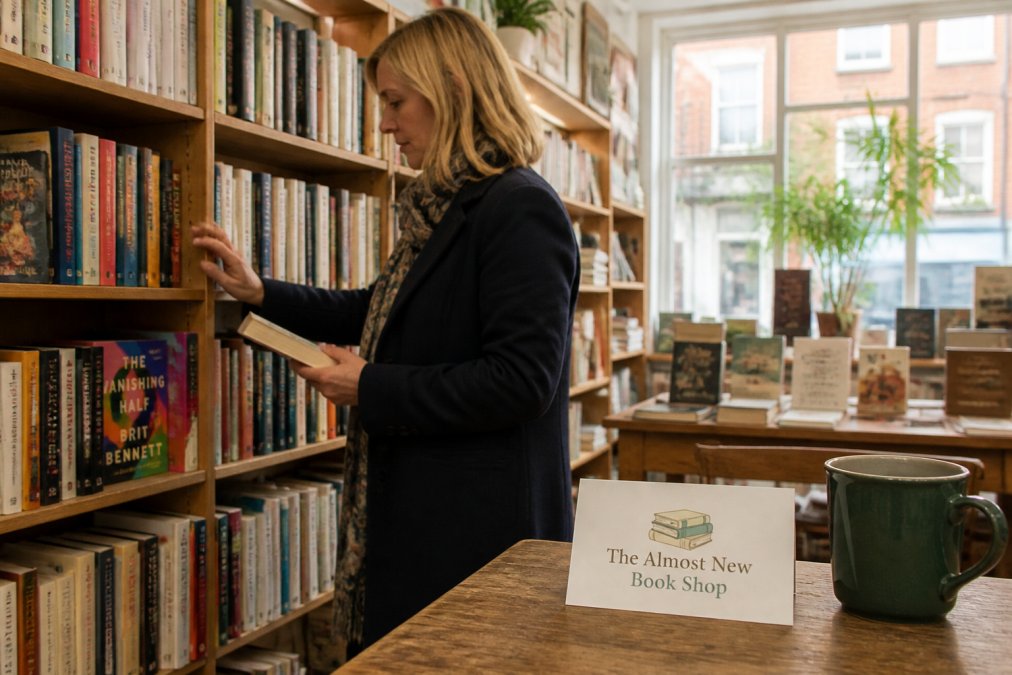
The Almost New Book Shop operates from this principle. Every book that arrives gets assessed. Damaged stock doesn't make the shelves. We curate fiction, non-fiction, classics, military history, and children's titles with the same standard: would we recommend this to a friend? That filter means browsing our collection feels different. You're not wading through thousands of identical copies. You're discovering what actually matters.
Independent bookshops also function as community hubs. They host reading groups. They recommend titles based on conversation, not algorithms. They understand that a parent searching for children's books needs something different than a collector hunting first editions. They stock accordingly. They remember that the reader who came in last week asking for West Country memoirs might love Johnny Kingdom's "West Country Tales", and they set a copy aside when it arrives.

Pre-loved books from independent stockists carry stories. Not just the narrative inside the cover, but the history of the book itself. A well-loved paperback with creased spine and dog-eared pages has been read, enjoyed, kept. That's different from a pristine new copy that's never been opened. Many bibliophiles prefer books with character, evidence that they've been treasured.
Best places to buy used books locally
Chichester has several options for sourcing pre-loved books, but they're not all equal. Understanding what each offers helps you choose the right fit for what you're hunting.
The Almost New Book Shop is the obvious starting point for serious second-hand readers in Chichester. We focus entirely on pre-loved stock, no new books, no compromises. Our selection spans fiction, non-fiction, classics, military history, and children's titles. Every book is assessed for condition before it reaches the shelf. We price competitively because our overhead is lower than chain retailers, and we're driven by mission, not margin. If you're building a personal library on budget, or you're a parent stocking children's books, or you're a military history collector hunting specific titles, this is where you start.
Charity shops in the area stock second-hand books, though selection varies. Oxfam bookshops carry pre-loved stock, but inventory rotates quickly and hunting for specific titles requires patience. They're excellent for browsing and stumbling on bargains, but less reliable if you're searching for something particular. The advantage: charity purchases support good causes. The disadvantage: no curation, no condition guarantees, limited specialist stock.
Online marketplaces like eBay and Vinted let you search nationally, but you're dealing with individual sellers. Quality varies wildly. Condition descriptions can be optimistic. Shipping costs add up fast. You also lose the browsing experience, the serendipitous discovery that makes independent bookshop visits special.
Online second-hand retailers operate at scale, but they're not local. Shipping times are longer. Customer service is automated. You're not supporting a Chichester business. That said, they offer inventory depth that local shops can't match, particularly for rare or out-of-print titles.
| Option | Best For | Condition Guarantee | Local Support |
|---|---|---|---|
| The Almost New Book Shop | Curated selection, community, reliability | Yes | Yes |
| Charity shops | Bargain hunting, browsing | Variable | Yes |
| Online marketplaces | Rare finds, national search | Variable | No |
| Online retailers | Inventory depth, convenience | Yes | No |
The practical answer: start local. Browse The Almost New Book Shop first. If you don't find what you need, expand to charity shops. Only move online if you're hunting something genuinely rare or out-of-print.
How to find rare and collectible titles
Serious book collectors, military history enthusiasts, first-edition hunters, readers chasing obscure classics, need a different strategy than casual browsers. Rare books require intentional searching.
First, understand what makes a book rare or collectible. It's not always age. A 1970s military history title isn't rare just because it's old. It's rare if few copies were printed, if it's out-of-print, if it's a first edition, or if it's signed by the author. Condition matters enormously. A well-preserved hardcover of a military campaign history from the 1980s is worth more than a battered copy. First editions command premiums. Dust jackets add value.
The Almost New Book Shop stocks military history and classics specifically because collectors search for these genres. We assess each title individually. If you're hunting a particular book, ask. We take special requests. We network with other independent booksellers. We understand that a collector isn't looking for just any military history book, they're looking for that specific title, in decent condition, at a fair price.
Online specialist retailers (not the mass-market ones) focus on rare and out-of-print stock. They maintain searchable databases. They price based on rarity and condition. This is where you hunt first editions or genuinely obscure titles. Expect to pay more. That's the cost of rarity.
Networking matters. Join reading groups. Talk to other collectors. Independent bookshop staff become valuable resources, they remember what collectors are hunting. They set books aside. They contact you when something arrives. That relationship is worth far more than algorithm-driven recommendations.
Where to donate books Chichester
You've built your collection. Now you've got books taking up shelf space that you're not reading anymore. Rather than letting them gather dust, or worse, throwing them away, donate them. Chichester has options.
The Almost New Book Shop accepts book donations. We assess condition, accept what fits our collection, and rehome those books to readers who'll treasure them. It's straightforward. You're not just clearing shelf space, you're extending the life of books that still have chapters left to give. Drop off donations during opening hours, or contact us about bulk collections.
Charity shops accept donations. Oxfam bookshops take pre-loved stock. The process is simple: bring books in, they assess condition, they accept or decline. Your donations support charitable causes. The downside: they're less selective about condition, and they won't take damaged stock.
Libraries sometimes accept donations for their collections or for fundraising sales. Check with your local library about their donation policy.
Schools and community centres occasionally accept children's books, particularly if they're in good condition. Teachers building classroom libraries appreciate donations, and children's books in good condition are genuinely useful.
The key principle: donate to places that will actually use the books. Don't drop off damaged stock at charity shops hoping they'll somehow sell it. Don't donate books you wouldn't read yourself. Quality donations get rehomed quickly. Poor-condition donations just create work for staff and often end up in landfill anyway.
Donating books closes the loop. You've read them. Someone else will read them next. That's the circular economy in practice.
Building a sustainable personal library
A sustainable personal library isn't about accumulating as many books as possible. It's about building a collection of books you'll actually read, keeping them in good condition, and letting them circulate to other readers when you're done.
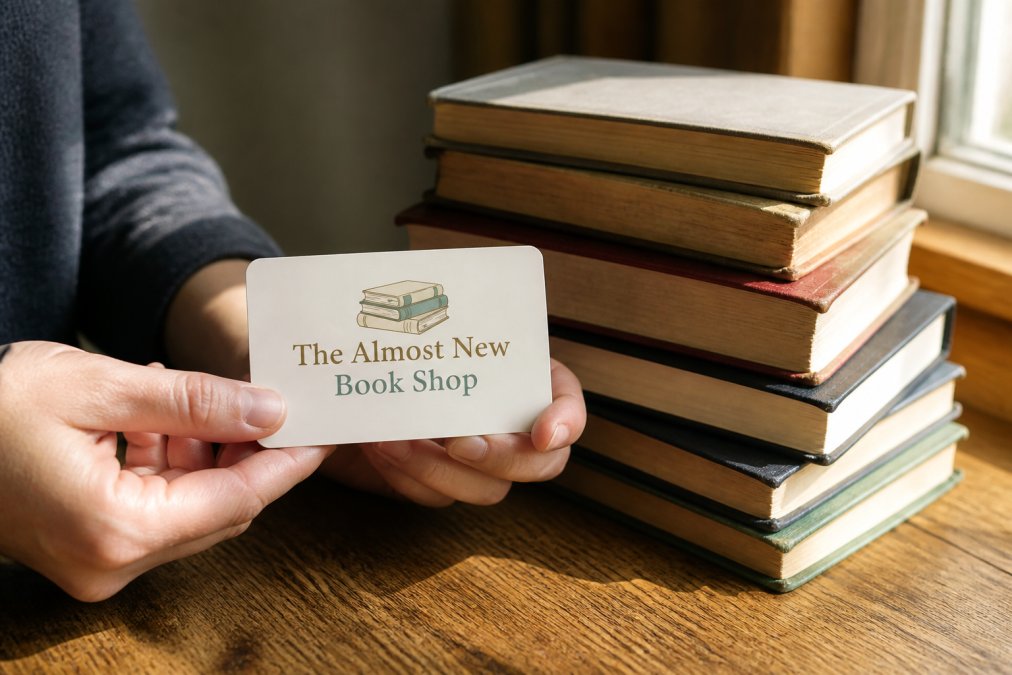
Start with intention. Before buying a book, ask whether you'll actually read it. Whether you'll keep it. Whether it fits your collection. Impulse purchases look appealing in the moment but often sit unread. That's waste. Intentional buying means fewer books, better books, books that matter.
Buy pre-loved when possible. A second-hand book has already been manufactured. Its environmental debt is paid. When you buy pre-loved, you're not creating new demand for new production. You're extending the life of existing stock. This is the most direct way to build sustainably.
Take care of what you own. Store books upright or flat, not bent. Keep them away from damp. Use bookmarks instead of dog-earing pages. Preserve dust jackets. A well-maintained book lasts decades. A neglected book deteriorates within years. Maintenance isn't fussy, it's practical.
Lend books. Share them. When you're done reading, pass them to a friend. Loan them to book clubs. Donate them to someone who'll value them. A book sitting unread on your shelf is stagnant. A book circulating through readers is alive.
The Almost New Book Shop gift card (£5.00) is a practical way to invite others into this approach. Rather than buying new books for friends, give them the choice to select pre-loved titles. It's a gift that encourages sustainable reading habits.
Consider what you actually keep long-term. Many readers build libraries of books they reread, classics, reference titles, beloved fiction. Those deserve shelf space. Books you've read once and won't revisit? Donate them. Let them find readers who will.
Conclusion: your next chapter awaits
Finding the right second-hand bookshop in Chichester changes how you read. It changes what you pay. It changes your relationship with books themselves. You stop seeing them as disposable commodities and start seeing them as stories that deserve multiple lives.
The Almost New Book Shop exists because we believe that. Every pre-loved book we rescue and rehome is one fewer book in landfill. Every reader we connect with the right title is one more person discovering that second-hand doesn't mean second-rate. Our curated selection of fiction, non-fiction, classics, military history, and children's titles is built on that principle. We assess every book. We price fairly. We remember our customers. We take special requests. We're not trying to be everything to everyone, we're trying to be the right bookshop for readers who care about quality, sustainability, and community.
Start browsing. Subscribe to our email updates for new arrivals and recommendations. Donate your pre-loved books so they find their next reader. Build your personal library with intention. Join the community of readers who believe great stories deserve a second chapter.
Frequently Asked Questions
What condition are books in at a second-hand bookshop in Chichester?
Quality varies, but reputable shops like The Almost New Book Shop carefully inspect every volume. Books are graded by condition (good, very good, excellent) so you know what to expect. Most pre-loved titles are in excellent reading condition, with minor wear that adds character rather than detracting from enjoyment. Always check descriptions and images before ordering online to confirm condition meets your expectations.
Are second-hand books hygienic and safe to buy?
Yes. Second-hand books are safe to buy. Professional booksellers inspect stock for any issues like mould or pest damage before reselling. If you have specific concerns about hygiene, reputable independent bookshops will be transparent about condition. Most pre-loved books have simply moved from one careful reader to another. Proper storage and handling ensure they arrive in clean, readable condition.
Can I find rare or military history titles at independent bookshops in Chichester?
Absolutely. Independent bookshops often specialise in curated collections, including out-of-print classics and specialist genres. The Almost New Book Shop stocks military history alongside fiction, non-fiction, and vintage titles. Specialist booksellers invest time sourcing rare finds that chain retailers don't stock. If you're a serious collector, contact local shops directly about their inventory or subscribe to email updates when rare titles arrive.
How do second-hand bookshop prices compare to buying new?
Second-hand books typically cost 40-60% less than new editions. At The Almost New Book Shop, titles start from £3.50, making it genuinely affordable to build a library. Even factoring in postage for online orders, you save significantly compared to supermarket paperbacks. Plus, you're supporting sustainability and preventing books from going to landfill, so the value extends beyond price.
This article was written using GrandRanker