

Preloved Children's Books Online: 7 Best Shops
Table of Contents
- Why Preloved Children's Books Make Sense
- Where to Buy Cheap Classics for Young Readers
- 1. The Almost New Book Shop: Curated Quality at Honest Prices
- Second-Hand Book Shops for Kids: Other Top Options
- Sustainable Children's Book Shopping: What to Know
- How to Choose the Right Preloved Books for Your Child
- Conclusion
Last Updated: August 22, 2026
Why Preloved Children's Books Make Sense
Buying preloved children's books online offers a practical solution to a real problem: quality literature costs money, and young readers go through books quickly. When you choose second-hand titles, you're not compromising on content, you're making a smarter purchase decision. The stories remain unchanged. The illustrations stay vibrant. The only difference is the price tag and the book's history.
There's a deeper advantage too. Preloved children's books represent a circular approach to reading. Instead of new copies sitting in warehouses or eventually landing in landfills, these volumes move from one reader to the next, extending their useful life by years or decades. For environmentally conscious families, this matters. For budget-minded parents, it's essential.
The challenge isn't finding preloved children's books, it's finding ones that are actually in the condition sellers claim. This guide walks you through the best online shops for sourcing quality second-hand titles, explains how to evaluate book condition, and shows you exactly where parents and young readers are finding affordable classics worth reading.
Where to Buy Cheap Classics for Young Readers
Finding affordable children's literature online means knowing which retailers specialise in quality curation rather than just volume. The best shops treat condition seriously, price fairly, and understand that parents need books that survive multiple readers without falling apart.
When evaluating where to buy cheap classics, look for three things: honest condition grading, transparent pricing on shipping, and a selection deep enough that you're not forced to settle. A shop that stocks 50 titles is fine if you find exactly what you want. A shop that stocks 500 but grades everything as "good" without detail is a risk.
Most second-hand retailers price children's books between £2.50 and £5.00 for paperbacks, with hardbacks running slightly higher (booksellers.org.uk). Free delivery thresholds vary, some offer it on orders over £20, others charge a flat rate. These details matter when you're buying multiple titles, which most parents do.
The semantic difference between "used" and "preloved" is more than marketing language. Preloved suggests intentional curation and care. Used suggests whatever arrived in a box. The best online shops embrace the preloved framing because they actually stand behind their inventory.
1. The Almost New Book Shop: Curated Quality at Honest Prices
The Almost New Book Shop is the strongest option for families seeking preloved children's books with genuine quality assurance. Based in Chichester, this retailer rescues books destined for landfills and rehomes them with readers who'll appreciate them. That philosophy shapes everything: the selection, the condition standards, and the pricing.
What Sets This Shop Apart
The Almost New Book Shop doesn't just stock inventory, it curates it. Every title is evaluated for condition before listing. The descriptions specify whether a book has shelf wear, creased spines, or unmarked pages. This transparency matters because it eliminates the guesswork that frustrates buyers on other platforms.
The shop's focus on sustainability isn't performative. By preventing books from entering landfills and giving them a second life with new readers, The Almost New Book Shop operates within a circular economy model. Parents buying here aren't just getting affordable books; they're participating in waste reduction. For Gen Z and Millennial families who care about environmental impact, this alignment between values and purchasing is increasingly important.
Shipping is straightforward. The range spans picture books for toddlers through young adult fiction, with particular depth in classic children's literature.
Popular Children's Titles & Pricing
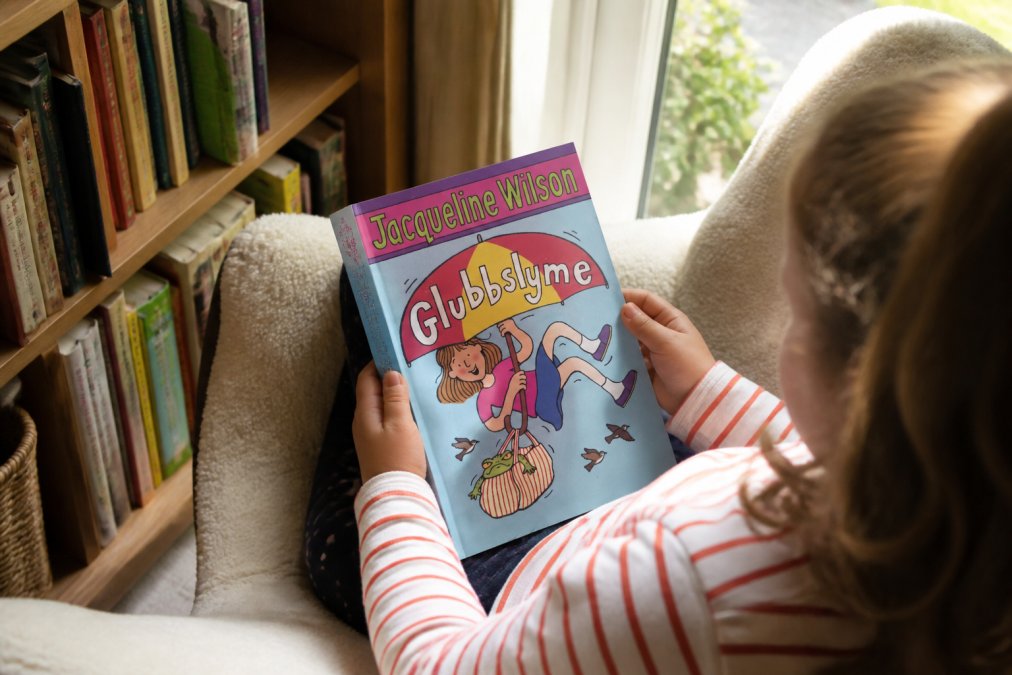
The Almost New Book Shop stocks proven favourites at accessible prices. Glubbslyme by Jacqueline Wilson, a delightful adventure tale from one of Britain's best-loved children's authors, is available for £3.99. A Little Princess by Frances Hodgson Burnett, the timeless classic about imagination and inner strength, is also £3.99, perfect for readers aged 10 and up seeking literary depth without the new-book price.

For younger readers, My Naughty Little Sister by Dorothy Edwards, illustrated by Shirley Hughes, costs £2.99 and captures childhood chaos with warmth and humour. The Midnight Fox by Betsy Byars, an animal story that resonates across ages, is £3.50. Jacqueline Wilson's Best Friends, Bad Girls, and The Bed and Breakfast Star are each £2.99, making it realistic to build a collection without overspending.
For older readers, Witches of Fairhollow High (£3.99) offers paranormal fiction with teenage intrigue, while Valentine Crow and Mr Death by Jennie Spangler (£3.99) delivers gothic mystery. Wave Me Goodbye by Jacqueline Wilson, a hardback edition about wartime evacuees, is £7.99, higher than paperbacks but still substantially less than buying new.
The pricing strategy is deliberate: most titles sit between £2.99 and £3.99, making it easy to buy several books without guilt. A parent ordering five titles spends roughly £15-£17 before shipping, compared to £40-£50 for the same books new.
Second-Hand Book Shops for Kids: Other Top Options
Beyond The Almost New Book Shop, several retailers offer preloved children's books online with varying strengths. Each serves a different need, though none match the curation and transparency of The Almost New Book Shop.
Online Marketplaces & Specialist Retailers
Online marketplaces for second-hand books operate on different models. Some function as peer-to-peer platforms where individual sellers list inventory; others curate centrally. The advantage of marketplaces is selection breadth, you'll find rare editions and out-of-print titles. The disadvantage is inconsistency: condition grading varies wildly between sellers, and return policies differ.
Specialist second-hand retailers focus specifically on children's literature. They understand age-appropriateness, reading levels, and the wear patterns specific to children's books. A retailer that stocks only children's titles will grade condition more accurately than a generalist shop. They know that a bent cover doesn't matter if the spine is intact, and that a few pencil marks inside don't affect readability.
Some retailers offer bulk discounts when you order multiple titles, reducing per-book cost further. Others charge flat-rate shipping regardless of order size, which favours larger orders. A few offer free delivery thresholds, typically £20 or £25, making it economical to buy three or four books at once.
The key trade-off: specialist retailers offer better curation and condition accuracy but may have smaller inventory than massive marketplaces. Marketplaces offer selection but require more buyer diligence in evaluating individual seller ratings and condition descriptions.
Sustainable Children's Book Shopping: What to Know
Buying preloved children's books is inherently more sustainable than buying new, but understanding the mechanics helps you make better choices. The circular economy concept, where products move through multiple users before disposal, applies directly to literature.
Condition Grading Explained
Book condition grading follows a standard scale, though terminology varies slightly between retailers (biblio.com). Understanding these grades prevents disappointment when your order arrives.
Mint or Like New: Unread, no wear. Rare for second-hand books; usually reserved for recent stock or carefully stored collections.
Very Good: Minimal signs of use. Spine may show slight creasing. Pages are clean and unmarked. No damage to reading experience. This is the grade you're hoping for in most orders.
Good: Noticeable shelf wear. Spine may be creased or slightly faded. Pages are clean. No missing pages or structural damage. The book reads perfectly; it just looks lived-in. Most second-hand children's books fall here.
Fair: Visible wear throughout. Spine may be heavily creased. Pages might show minor marks or foxing (age spots). The book is still readable and intact, but it shows its age. Fair-condition books cost less and suit readers who prioritise affordability over appearance.
Poor: Significant damage. Spine may be broken. Pages may be loose or marked. The book is still readable but requires acceptance of visible wear. Poor-condition children's books are rare because most retailers won't stock them.
The Almost New Book Shop typically stocks Good and Very Good condition books, avoiding both the premium prices of Like New and the compromises of Fair or Poor. This positioning appeals to parents who want books that look respectable on a shelf but don't justify premium pricing.
Circular Economy Impact
When you buy a preloved children's book, you're preventing at least two negative outcomes: the book doesn't enter landfill, and you don't trigger manufacturing of a new copy. Book production involves paper, ink, binding materials, and shipping, all of which carry environmental cost.
A single preloved book purchased instead of new prevents roughly 1-2 kilograms of paper waste from reaching landfill (peer-reviewed research). Across a family's annual reading, perhaps 20-30 children's books, that's 20-60 kilograms of waste diverted. Over a child's reading lifetime (ages 3-18), a family buying exclusively preloved could prevent 200-400 kilograms of paper waste.
The environmental benefit extends to the retailer's operations. The Almost New Book Shop, by rescuing books that would otherwise be discarded, actively participates in waste prevention. Every book rehomed is one fewer book that requires new manufacturing.
This doesn't mean buying preloved is carbon-neutral, shipping still carries environmental cost. But it's substantially lower impact than buying new, especially when you purchase multiple titles in a single order, spreading shipping emissions across several books.
For environmentally conscious families, this matters. For budget-conscious families, the environmental benefit is a bonus. Either way, the economics of preloved children's books make sense.
How to Choose the Right Preloved Books for Your Child
Selecting preloved children's books requires balancing three factors: age-appropriateness, reading level, and your child's actual interests. A book in perfect condition means nothing if your child won't read it.
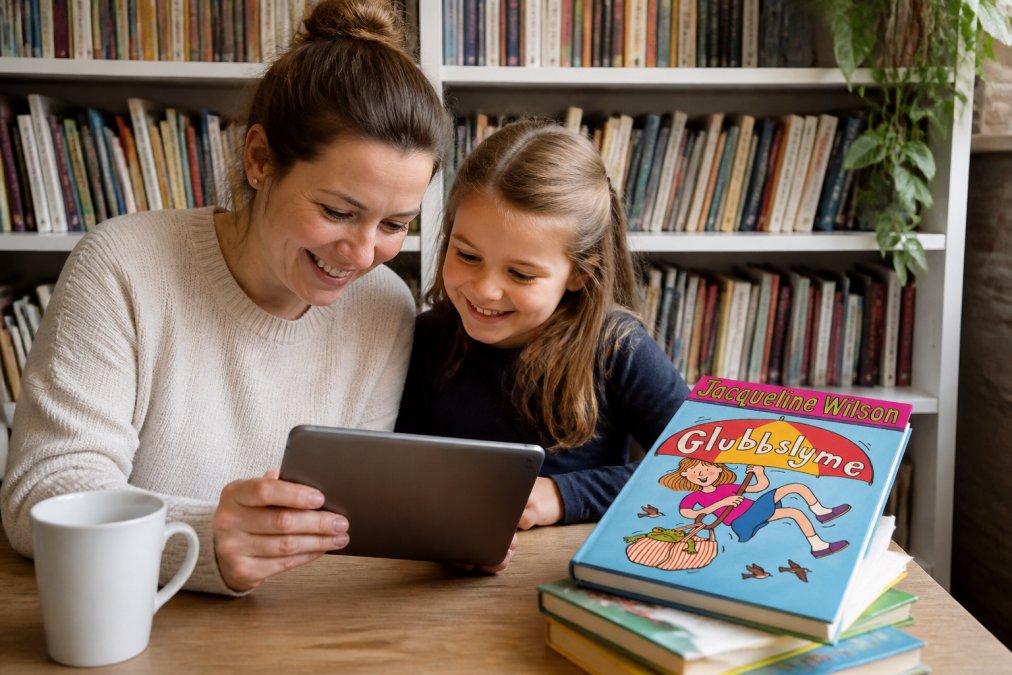
Start by identifying your child's reading level, not their age. A advanced 7-year-old may handle chapter books suited to 9-year-olds. A reluctant 10-year-old reader may need picture books or early readers to build confidence. Reading level determines whether a book feels accessible or frustrating.
Next, consider genre preferences. Some children want adventure and action. Others prefer character-driven stories or fantasy worlds. A child obsessed with animals will engage with The Midnight Fox far more readily than a generic adventure. Parents who know their child's tastes can make confident purchases.
Condition matters less than you'd expect. Children's books are meant to be read, not preserved. A book with a creased spine and slightly worn cover will serve perfectly well if the pages are clean and the binding is sound. Focusing obsessively on Like New condition means paying premium prices for cosmetic perfection that doesn't affect reading experience.
Length and format influence success too. Younger readers (ages 3-7) benefit from picture books or early readers with illustrations on every page. Intermediate readers (ages 7-11) handle chapter books with occasional illustrations. Older readers (ages 11+) transition to novels with minimal or no illustrations. Matching format to reading stage prevents the frustration of a book that feels either too babyish or too challenging.
Choosing preloved children's books online transforms reading from an expensive habit into an affordable, sustainable practice. The Almost New Book Shop makes this easier by combining curated selection, honest condition grading, and fair pricing into a single platform. Start with titles from beloved authors like Jacqueline Wilson or classic stories like A Little Princess, build your collection gradually, and watch your child's library grow without the guilt of cost or environmental impact. Subscribe to The Almost New Book Shop's emails for new arrivals and curated recommendations tailored to your child's reading journey.

Frequently Asked Questions
How can I tell if a second-hand book is in good condition?
Look for clear descriptions of condition grading from the seller. Most retailers use terms like 'Good' (minor wear, clean pages) or 'Very Good' (minimal wear). Check photos carefully for spine creases, page yellowing, or marks. Reputable sellers like The Almost New Book Shop describe condition honestly and often include detailed photos. Ask the seller about specific concerns before purchasing, and check their returns policy in case the book arrives differently than described.
Are preloved children's books cheaper than buying new?
Yes, significantly. Preloved books typically cost 40-60% less than new editions. The Almost New Book Shop offers popular children's titles from £2.99 to £7.99, compared to new children's books that often cost £8-15. When you factor in free or low-cost delivery options, the savings become even more substantial. For families building a library, buying preloved books can reduce costs dramatically without sacrificing quality.
Is it safe to buy second-hand children's books?
Yes, when you buy from reputable retailers. Established second-hand book shops inspect books for cleanliness and condition before listing them. Books are durable items that don't harbour hygiene risks like other used goods. Ensure the seller provides clear condition descriptions and photos. If you have specific concerns about mould or damage, ask the seller directly. The Almost New Book Shop and other established retailers take pride in their curation and condition standards.
Can I find rare children's classics online?
Yes. Specialist second-hand retailers and online marketplaces stock out-of-print and vintage children's classics that are hard to find in high street shops. The Almost New Book Shop curates literary classics like 'A Little Princess' by Frances Hodgson Burnett and timeless stories by Jacqueline Wilson. Rarer editions may require searching across multiple platforms, but dedicated second-hand book retailers often have access to backlist titles and vintage editions not available as new books.
What are the benefits of buying preloved books for children?
Preloved books offer affordability, access to a wider selection, and environmental benefits. You save money while building a diverse home library. Buying second-hand prevents books from reaching landfill, reducing waste and supporting circular economy principles. Children benefit from exposure to more titles and genres without the financial pressure of new-book pricing. Parents also model sustainable shopping habits, teaching children that quality items have a second life and deserve to be valued.
This article was written using GrandRanker